Fattoria Villa Ligi
Marche
Stefano Tonelli
1912
30 hectares
Organic
Vine Savers
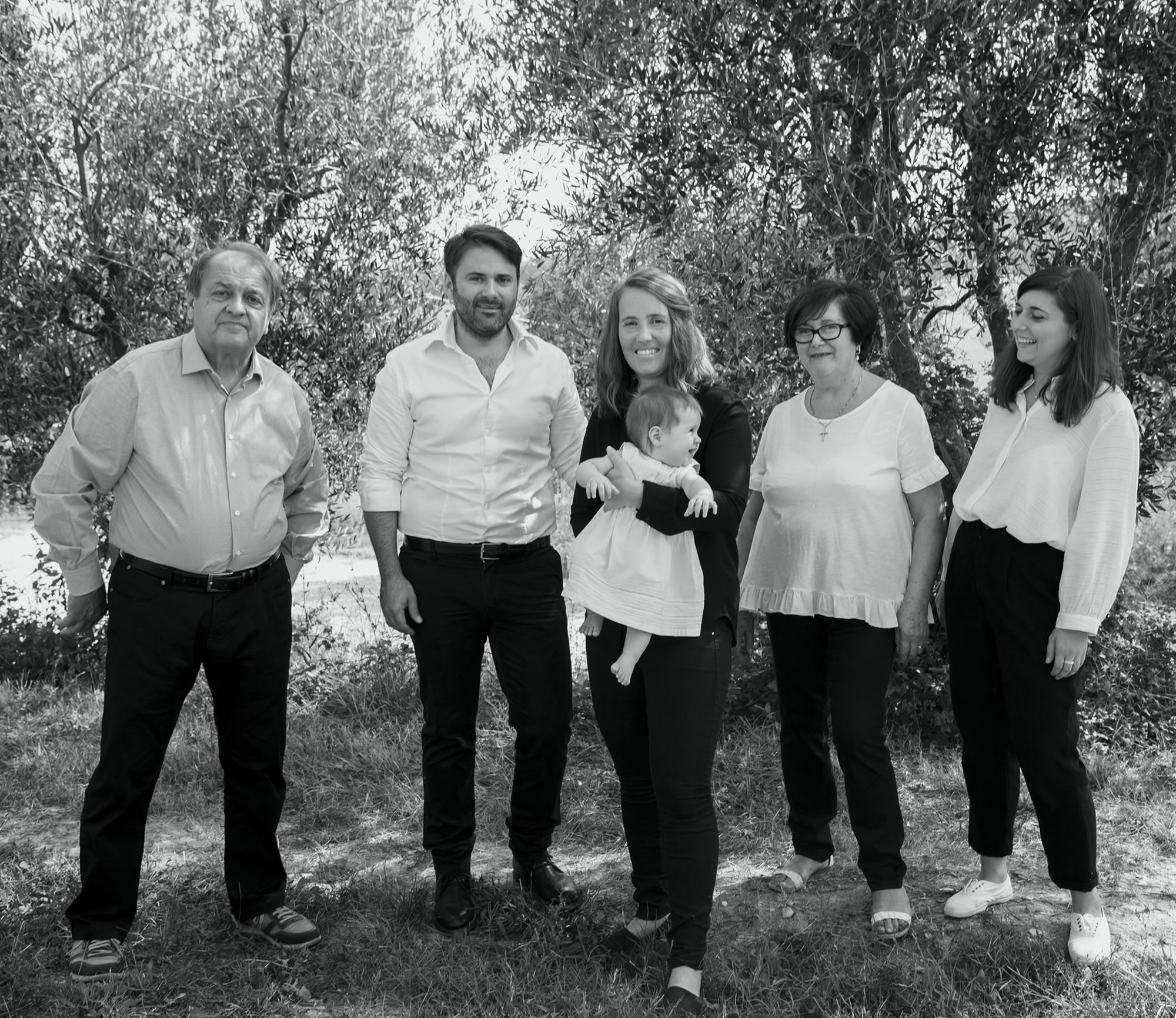
The Tonelli family’s high-fidelity wines illuminate an unexpected territory.
“When the last vine of a species dies, a genetic heritage is lost forever. These thoughts disturb us, and they are the spring that pushes us to search for old varietals and biotypes, to save and experiment with them.”
That’s the spirit that has animated Francesco Tonelli for over 30 years—intensified by the conviction that the place and time are always here and now, because a moment lost can never be regained. “We must always act today, immediately, and not waste time because tomorrow may be too late.”
The family’s mission is all the more quixotic on account of where it has been playing out: the Pesaro and Urbino province in Marche. An American oenophile could read a thousand wine lists without encountering the words Pesaro or Urbino—because hardly a drop of wine from its three matchbox-sized DOC appellations ever leaves Italy, much less crosses the Atlantic. As far as we can tell, the Tonelli family’s Villa Ligi is the only producer in the province to send any wine to the United States.
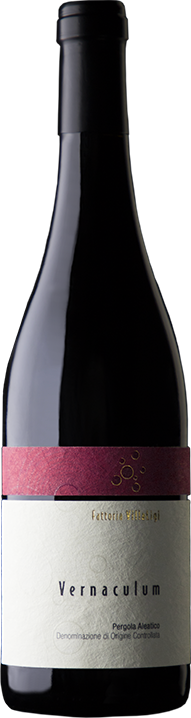
That’s certainly the case for their Vernaccia di Pergola cuvées, from a local red varietal that exemplifies what Francesco and his son Stefano are all about. This Aleatico clone has been native to the area since the early 13th century, and Villa Ligi’s expressions of it are as idiosyncratic and uncompromising—yet also as charming—as the men who make it. Start with their Vernaculum bottling. A forthrightly floral bouquet cut through with high-toned red fruit slides seamlessly into a fresh (but not tart) acidity anchored in mineral elements that beckon another sip. It’s sourced from two hillsides where the easiest approach would surely have tempted many winemakers in the mid-1980s when Francesco decided to follow in his grandfather’s grape-farming footsteps: rip out the vines and plant some Merlot, or any other grape that actually had a conceivable market. But these sites evoked a feeling that ran in the opposite direction of commercial shrewdness—or, some would say, sanity.
To climb the Montalfoglio vineyard was to pack your boot treads with marly Pliocene clay as you ascended into the limestone soils shedding off a sandstone formation increasingly stripped bare by rain. A few clicks to the east, the Montevecchio vineyard got its limestone from crumbling cliffs buffeted by Adriatic breezes racing up the 470-meter-high northeast exposure. The vines here grew slowly, and reluctantly, but produced fruit of exceptional purity and finesse. The Tonellis mature their Vernaculum cuvée in concrete to retain that immediacy, while their Grifoglietto Pergola Aleatico Superiore—from a single steep slope of 50-year-old vines—lays 10 months in large French oak barrels for added complexity. Both are utterly delectable artifacts of historical preservation.
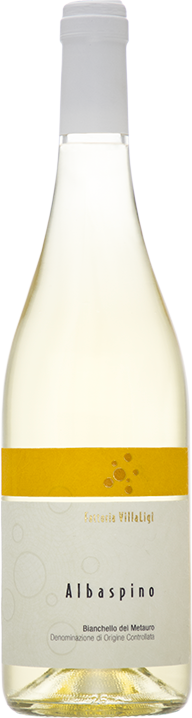
The same goes for their Albaspino Bianchello del Metauro. Crafted from two calcareous hectares of Biancame—a local, small-berry clone of Trebbiano—this bottling marries delicate floral and tea-like aromatics with soft orchard fruit and a subtly citric edge. Regular battonage accentuates the depth of flavors kept fresh and focused by stainless steel maturation. Generosity and refreshment are the watchwords here. Indeed, that combination may have played into a famous episode of what you might call historical devastation: Tacitus suggested that the Carthaginian warriors routed by Roman soldiers in the pivotal Battle of Metauro were done in by their own drunkenness on Biancame wines. (Fortunately, contemporary pleasure-seekers can indulge in the Tonellis’ version without losing the Second Punic War.)
Apart from Bianchello del Metauro and Pergola—which only won DOC recognition in 2005, with Francesco’s help—the third appellation in Pesaro and Urbino consists of the Colli Pesaresi. The Tonellis are active here as well, producing a vibrant Sangiovese vinified entirely in stainless steel to accentuate its fresh black fruit. The varietal, of course, will be more familiar to most drinkers—but the Tonelli’s expression has a wind-sculpted quality that evokes the Adriatic updrafts that so constantly sweep through this unique corridor of Marche.
“We believe deeply in the integrity of wine that’s capable of telling the characteristics of a land with complete honesty,” they say—“wine that creates dreams and arouses memories.”
wines
Varietal/Blend
Bianchame
Vineyard Area
From 35-year-old vines in the village of Montalfoglio
Soil
Clay-limestone
Elevation
500 feet
Exposure
West
Vine Training Method
Guyot
Vinification
Manual harvest, de-stemmed and crushed, gentle separation of free-run juice by gentle pressing to stainless steel tank for a 15-20-day fermentation
Maturation
Aged in stainless steel tanks
Marketing Materials:
Labels + -
Varietal/Blend
Aleatico (a native clone also known as Vernaccia Rossa di Pergola)
Vineyard Area
From two vineyards planted in 1986 called Montalfoglio and Montevecchio
Soil
Clay-limestone
Elevation
1,300 feet
Exposure
Southeast, east
Vine Training Method
Controspalliera, spurred cordon, density 3000 vines per hectare
Vinification
Manual harvest, de-stemmed and cold soak for 14 hours, fermentation with selected yeasts at controlled temperature for 6-8 days with pumping over 2 or 3 times a day. Guided malolactic fermentation.
Maturation
Aged in concrete
Marketing Materials:
Labels + -
Varietal/Blend
Aleatico (locally called Vernaccia Rossa di Pergola)
Vineyard Area
From a relatively steep plot consisting of 50-year-old vines (the oldest of the estate).
Soil
Marl-clay soil with a fair presence of humus and a significant presence of limestone derived from the weathering of the sandstone formations
Elevation
340 meters
Exposure
Southeast
Vinification
Manual harvest, de-stemmed and cold soak for 14 hours, fermentation with indigenous yeasts at controlled temperature for about two weeks before being moved to large oak barrels for aging.
Maturation
10 months in large oak barrels