Domaine Paul & Marie Jacqueson
Côte Chalonnaise
Paul Jacqueson & Marie Jacqueson
1946
18 hectares
Sustainable
Under the Radar in Rully
Just beyond where the Cote-d’Or ends, one of Burgundy’s best comeback stories begins.
If there’s one road that’s on every wine lover’s bucket list, it would doubtless be Burgundy’s D974. Heading south from Dijon, a 60km drive takes you through 37 picturesque villages in the Côte de Nuits and Côte de Beaune, tracing the east-facing slope of the limestone escarpment that gives the Côte-d’Or its name. When that justly famous ridge finally peters out near Santenay, plenty of people peter out with it. If only they knew to veer onto the D981 instead! If there’s a more lucrative left-hand turn in the world of wine, we’re hard-pressed to name it.
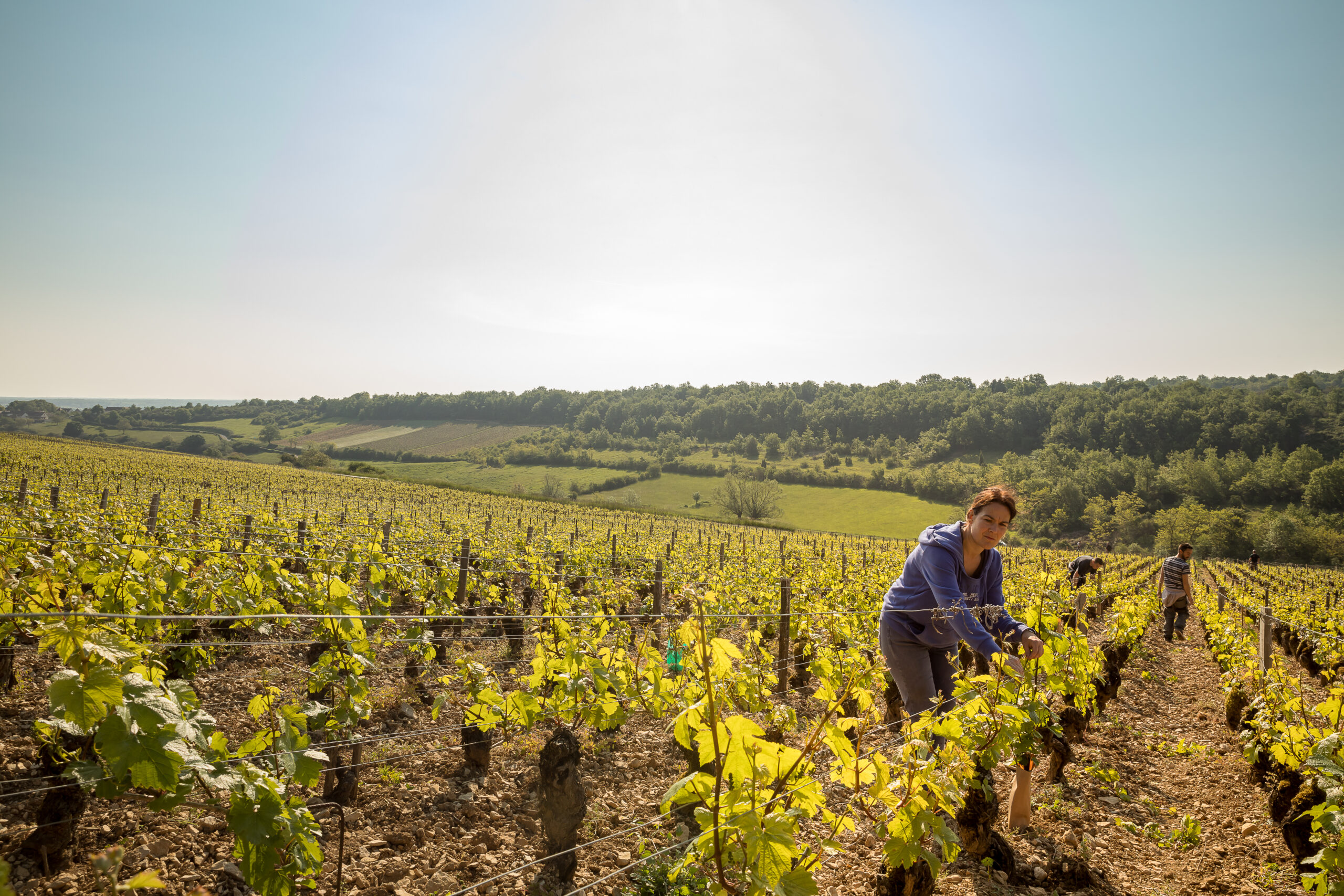
The Côte Chalonnaise doesn’t run along a single escarpment but rather comprises three isolated patches of limestone vineyards west of the Saône River, between the Côte de Beaune and the Mâconnais. The first of these (that is, the closest to the “Route des Grand Crus”) includes the villages of Mercurey and Rully—whose modern winemaking history is inseparable from Domaine Paul & Marie Jacqueson.
Viticulture in Rully goes back to antiquity. The Benedictine Abbey of Saint-Bénigne in Dijon, the powerful Maison de Vergy, and the Dukes of Bourgogne have all exerted influence in these rolling hills. But roughly a millennium of winemaking momentum was all but undone by a single 20th-century cataclysm. By the time the First World War had wrought its worst—claiming untold lives and leaving France in ruins—the lion’s share of Rully’s vineyards lay abandoned. The interwar period did little to change the area’s fortunes. Of some 600 hectares of vineyards in the 19th century, only 90 remained by 1945. Virtually nobody believed in the future—but Henri Jacqueson was one man who did. In 1946 he cobbled together some ancestral land and began replanting vines. Little by little he acquired additional plots, seeding an estate that today boasts 18 hectares of Chardonnay and Pinot Noir—including 9 Premier Cru cuvées.
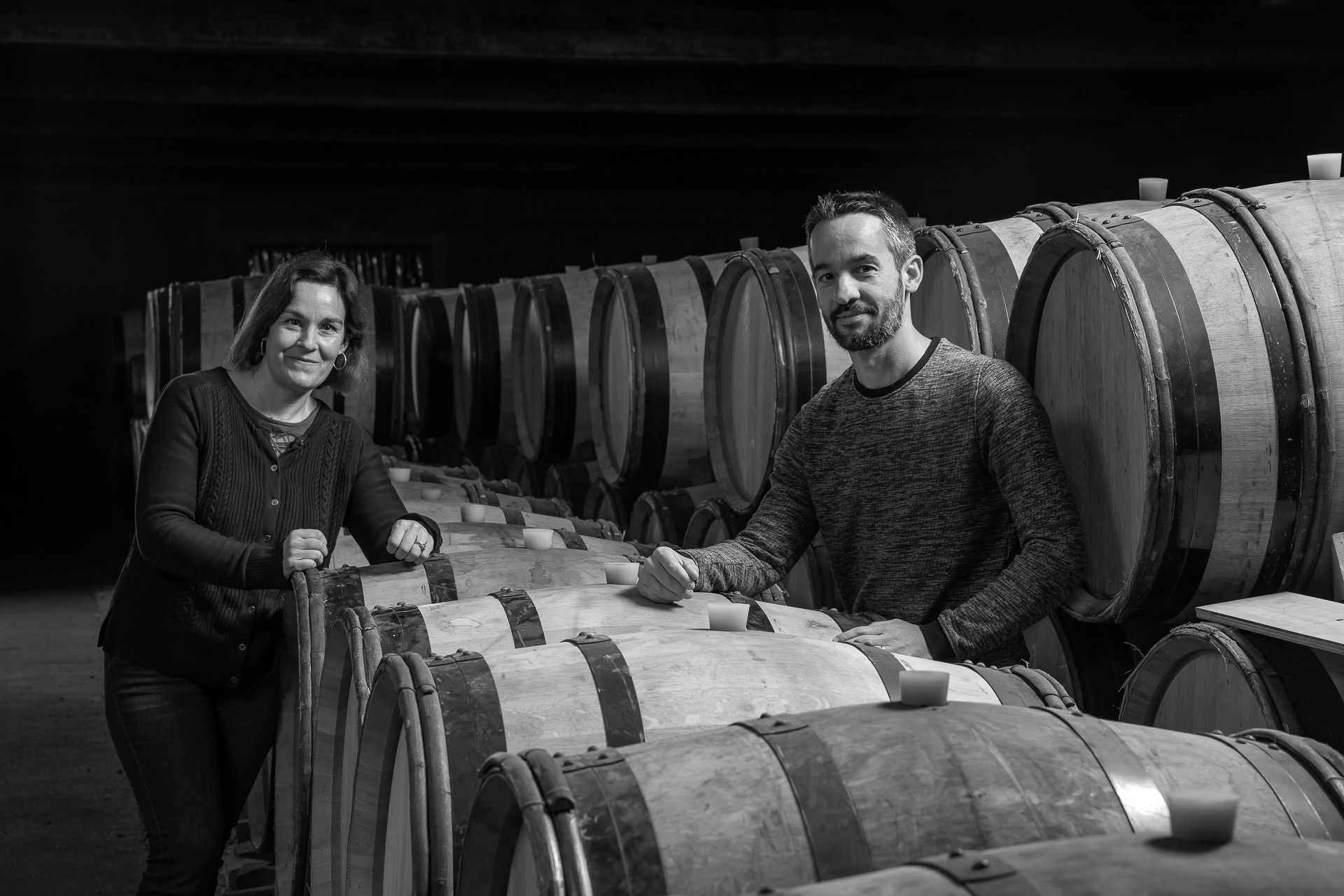
In 1972 Henri passed the reins to his indefatigable son Paul, who in turn handed them to his daughter Marie in 2006. She was joined by her brother Pierre in 2015. The estate has been organic for nearly 20 years and the siblings are harvesting the rewards—by hand, naturally, since they’re as meticulous in the vineyards as they are in the cellar. Low yields and judicious use of new oak—typically about 15-20 percent for the whites and up to 25 percent in the reds—foster exquisite expressions of their enviable clay-limestone terroir, which tends to be a tad warmer and dryer than their northern neighbors in the Côte-d’Or.
There’s a reason Jacqueson’s wines appear on just about every wine list you open in Beaune. The Rully whites, aged on golden lees, channel honeycomb and tart apples alongside hedgerow flowers within a mineral sheath as polished as Tahitian pearls. The Rully reds are fruit-forward in the purest sense of the term, with fine-grained tannins that melt away after a few years’ slumber. The bottlings from Mercurey (where Pinot Noir accounts for 80 percent of grape production) offer crisp evocations of red berries tinged with tobacco and cocoa—galvanized by the stony limestone bedrock.
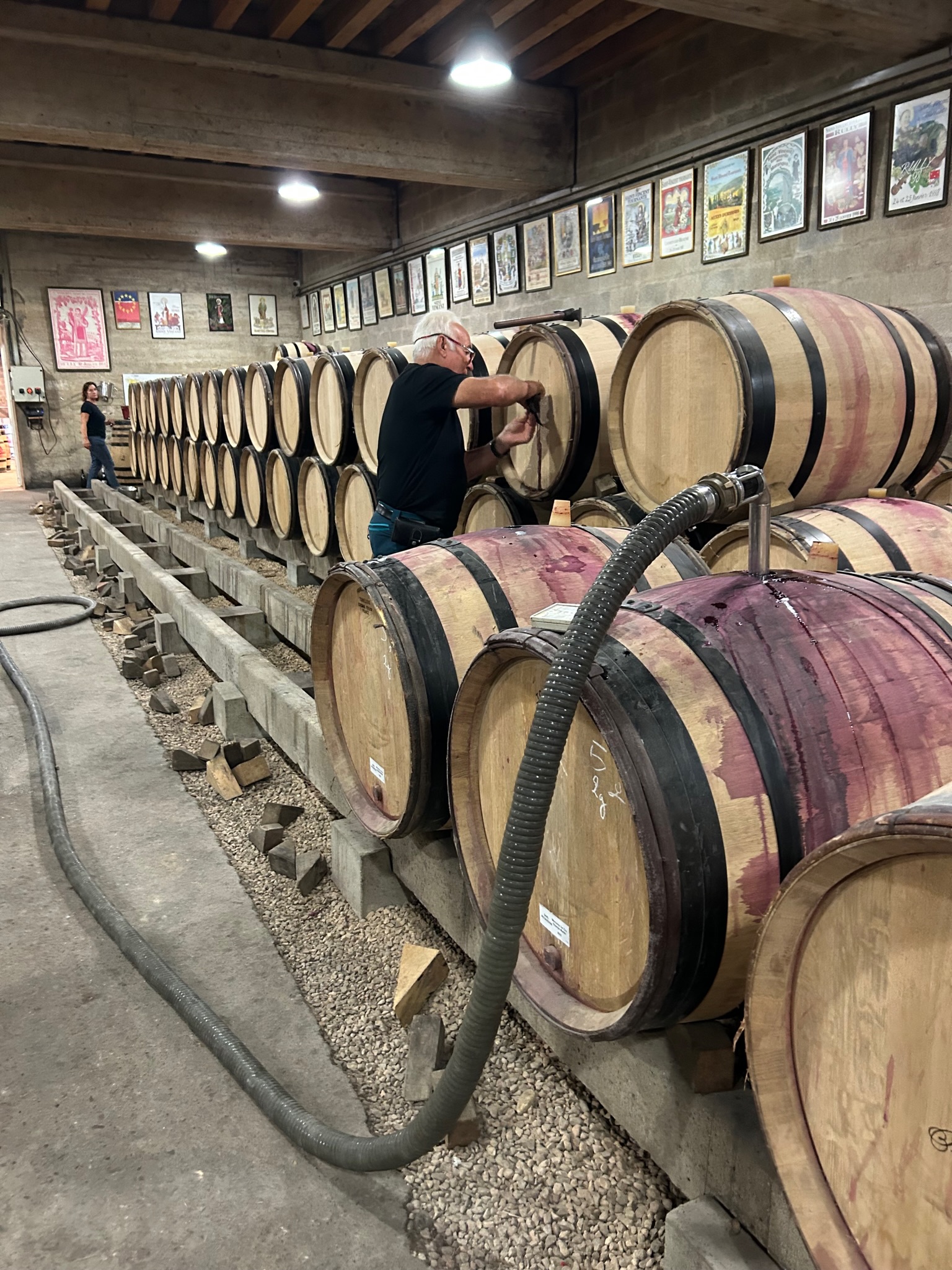
With intriguing variations borne of subtle shifts in site and soil—from the brown calcareous slope of the south-facing Rully 1er Cru Pucelle, to the pebbly clay over marl-limestone of the east-southeast Rully 1er Cru Gresigny (whose 1950-planted vines underscore Henri’s lasting influence), to the east-exposed clays of Mercurey 1er Cru Les Velleys—Jacqueson crafts its wines with metronomic precision and consistency. They’re fresh, generous, and laser-focused. To follow Marie through the barrels stacked in their frigid barn-like cellar is to see a supremely self-assured businesswoman in complete control of her domaine. Yet it’s actually Pierre who heads the cellar and vineyard operations. The good-humored former schoolteacher leaves no variable to chance—even his barrel selection starts with regular visits to the forest from which the oak is sourced.
Together they are the ultimate credit to both their grandfather, who did so much to resurrect the appellation, and their father, who worked so hard to champion it. Truth be told, the Côte Chalonnaise has attracted too much critical praise in the last decade to remain quite so undiscovered. We’re not the only ones plying the D981. But we’re proud to represent the family that stoked the turnaround—and keeps raising the bar with each new vintage.
wines
Varietal/Blend
Aligoté
Vineyard Area
The Aligoté comes from a .72-hectare parcel that was planted in 1950, situated right in front of the village of Rully.
Soil
Clay and limestone marl
Elevation
250 meters
Exposure
East
Vinification
Hand-picked and press directly with separating of the must by gravity. Fermentation occurs in barrel.
Maturation
Aged for 12 months in used barrels before a light filtration prior to bottling
Varietal/Blend
Chardonnay
Vineyard Area
Sélection comes from a single plot in the Mâconnais.
Soil
Clay-limestone
Vine Training Method
Guyot
Vinification
Hand-picked and press directly with separating of the must by gravity. Fermentation occurs in barrel.
Maturation
Aged for 12 months in used barrels before a light filtration prior to bottling
Varietal/Blend
Aligoté
Vineyard Area
“Les Cordères” comes from a .83-hectare parcel planted in 1937 just south of the village of Bouzeron. These are the oldest vines belonging to the estate.
Soil
Clay-limestone marl
Elevation
270-350 meters
Exposure
West
Vine Training Method
Goblet
Vinification
Grapes are harvested and sorted by hand and then pressed pneumatically. The must settles for a few hours and then the juice is transferred directly to barrels for fermentation.
Maturation
12 months in oak barrels (no new wood) with regular topping up and bâtonnage. A light filtration is carried prior to bottling.
Varietal/Blend
Chardonnay
Vineyard Area
From three parcels totaling 3 hectares across the appellation: "Fromanges", "La Barre" and "La Crée" — vines are 25 years old.
Soil
Calcareous brown soils
Elevation
Les Fromanges: 275 - 300 meters
La Barre (among Rully’s highest elevation sites, encircling Mont Palais on a plateau): 350 meters
Les Chaponièrres: 200-225 meters elevation
Exposure
Les Fromanges: Southeast
La Barre: Northwest
Les Chaponnières: East
Vine Training Method
Guyot
Vinification
Grapes are harvested and sorted by hand and then pressed pneumatically. The must settles for a few hours and then the juice is transferred directly to barrels for fermentation.
Maturation
12 months in oak barrels, 15-20% of which are new, with regular topping up and bâtonnage. A light filtration is carried prior to bottling.
Marketing Materials:
Labels + -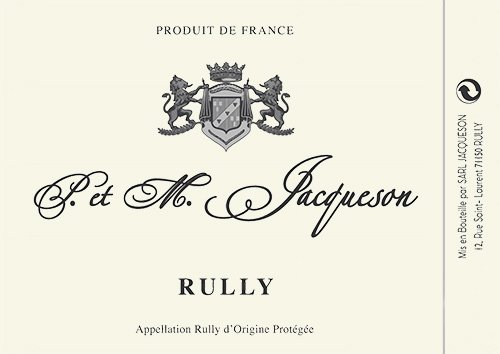
Varietal/Blend
Chardonnay
Vineyard Area
From a 2.5-hectare plot in La Pucelle which is on southern end of the appellation at mid-slope— vines were planted in 1992.
Soil
Very stony, brown calcareous soils over fractured limestone with some clay-based colluvium.
Elevation
230-300 meters
Exposure
South
Vinification
Grapes are harvested and sorted by hand and then pressed pneumatically. The must settles for a few hours and then the juice is transferred directly to barrels for fermentation.
Maturation
12 months in oak barrels, 15% of which are new, with regular topping up and bâtonnage. A light filtration is carried prior to bottling.
Varietal/Blend
Chardonnay
Vineyard Area
Vauvry comes from a .78-hectare plot in the south of the appellation, on the "Côte des Blancs” of Rully. The vines were planted in 1986.
Soil
White marl and marly limestone.
Elevation
250-300 meters
Exposure
East, southeast
Vine Training Method
Guyot
Vinification
Grapes are harvested and sorted by hand and then pressed pneumatically. The must settles for a few hours and then the juice is transferred directly to barrels for fermentation.
Maturation
12 months in oak barrels, 15% of which are new, with regular topping up and bâtonnage. A light filtration is carried prior to bottling.
Varietal/Blend
Chardonnay
Vineyard Area
Raclot is situated on the northern end of the appellation and is among the highest elevation 1er cru sites in Rully. Jacqueson's holding covers .35 hectare and was planted in 1991.
Soil
Marl and limestone with slightly more clay-limestone towards the bottom
Elevation
250-290 meters
Exposure
East
Vinification
Grapes are harvested and sorted by hand and then pressed pneumatically. The must settles for a few hours and then the juice is transferred directly to barrels for fermentation.
Maturation
12 months in oak barrels, 15-20% of which are new, with regular topping up and bâtonnage. A light filtration is carried prior to bottling.
Varietal/Blend
Pinot Noir
Vineyard Area
The Mercurey is drawn two parcels of 25-40 year old vines—the total area is one hectare. The first plot is in "Les Vaux", a lieu-dit north of the village that is surrounded by premier crus. The second plot is in "Les Grillots", which is situated on the southern end of village, just below 1er Cru Clos du Roy.
Soil
Mostly brown clay-limestone topsoils over limestone bedrock
Elevation
250-275 meters
Exposure
East
Vinification
Varying amounts of whole-cluster inclusion depending on the vintage. Cold maceration (between 5 and 10 C°) for 3 to 6 days, then alcoholic fermentation and maceration for 2 to 3 weeks—sometimes more. The frequency of pumping over or any punching down depends on the year and is decided after tasting.
Maturation
The wine matures for 12 months in oak barrels (15% new wood) with one racking in July followed by fining with egg whites barrel-by-barrel. Bottling is carried out without filtration.
Varietal/Blend
Pinot Noir
Vineyard Area
Jacqueson's holding in Les Valley cover .86 hectare and was planted in 1965. The site is located on the southern end of the appellation.
Soil
Rich, brown clay top soils over a limestone bedrock
Elevation
275 meters
Exposure
East
Vinification
Varying amounts of whole-cluster inclusion depending on the vintage. Cold maceration (between 5 and 10 C°) for 3 to 6 days, then alcoholic fermentation and maceration for 2 to 3 weeks—sometimes more. The frequency of pumping over or any punching down depends on the year and is decided after tasting.
Maturation
The wine matures for 12 months in oak barrels (20% new wood) with one racking in July followed by fining with egg whites barrel-by-barrel. Bottling is carried out without filtration.
Varietal/Blend
Pinot Noir
Vineyard Area
From a 1.52-hectare parcel towards the center of Mercury— vines were replanted in the 2007.
Soil
Calcareous brown soil with silty-clay.
Elevation
250 - 275 meters
Exposure
South
Vine Training Method
Guyot
Vinification
Cold maceration (between 5 and 10 C°) for 3 to 6 days, then alcoholic fermentation and maceration for 2 to 3 weeks—sometimes more. The frequency of pumping over or any punching down depends on the year and is decided after tasting.
Maturation
The wine matures for 12 months in oak barrels (20% new wood) with one racking in July followed by fining with egg whites barrel-by-barrel. Bottling is carried out without filtration.
Marketing Materials:
Labels + -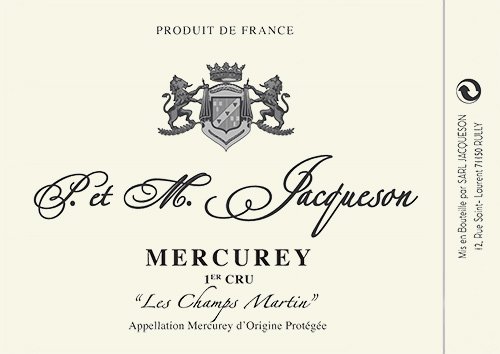
Varietal/Blend
Pinor Noir
Vineyard Area
From a .85-hectare parcel on the the plateau above Rully that was planted in 1992
Soil
Brownish-reddish limestone and clay.
Elevation
325-350 meters
Exposure
West
Vine Training Method
Guyot
Vinification
Cold maceration (between 5 and 10 C°) between 3 and 6 days, then alcoholic fermentation, maceration for 2 to 3 weeks. The frequency of pumping over or any punching down depends on the year and is decided after tasting.
Maturation
The wine matures for 12 months in oak barrels (15% new wood) with one racking in July followed by fining with egg whites barrel-by-barrel. Bottling is carried out without filtration.
Varietal/Blend
Pinot Noir
Vineyard Area
From a 2.58-hectare parcel in Préaux very close to the center of Rully and just under Jacqueson's Cloux holding— vines were planted in 1962, 1980 and 1990.
Soil
Gravelly, calcareous brown soils with clay-limestone mixtures at the bottom of the hillside
Elevation
250 meteres
Exposure
Southeast
Vine Training Method
Cordon Royat and Guyot
Vinification
Cold maceration (between 5 and 10 C°) between 3 and 6 days, then alcoholic fermentation, maceration for 2 to 3 weeks. The frequency of pumping over or any punching down depends on the year and is decided after tasting.
Maturation
The wine matures for 12 months in oak barrels (20% new wood) with one racking in July followed by fining with egg whites barrel-by-barrel. Bottling is carried out without filtration.
Marketing Materials:
Labels + -