Paolo Calì
Vittoria
Paolo Calì
2001
15 hectares
Organic
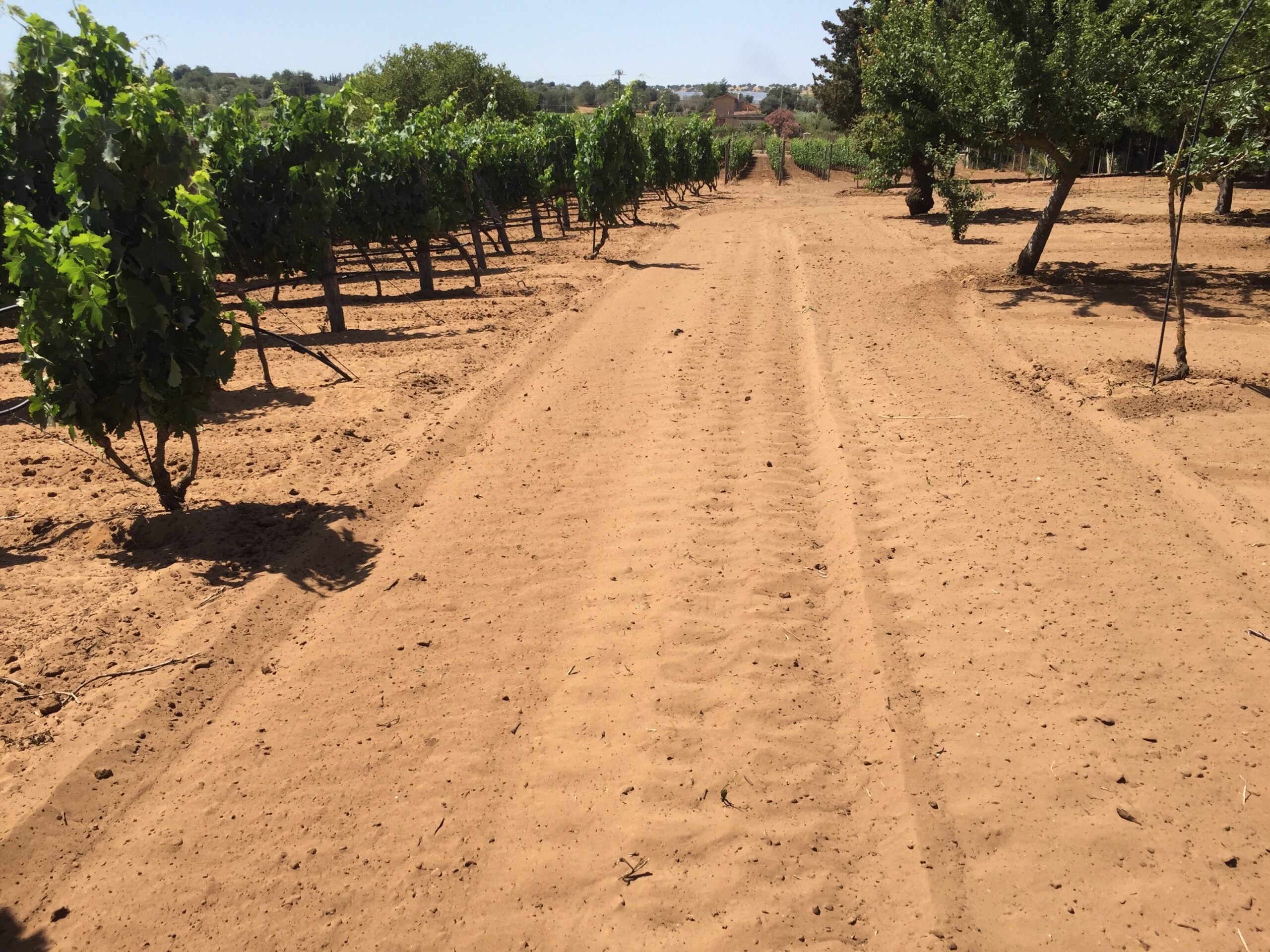
Sands of Vittoria
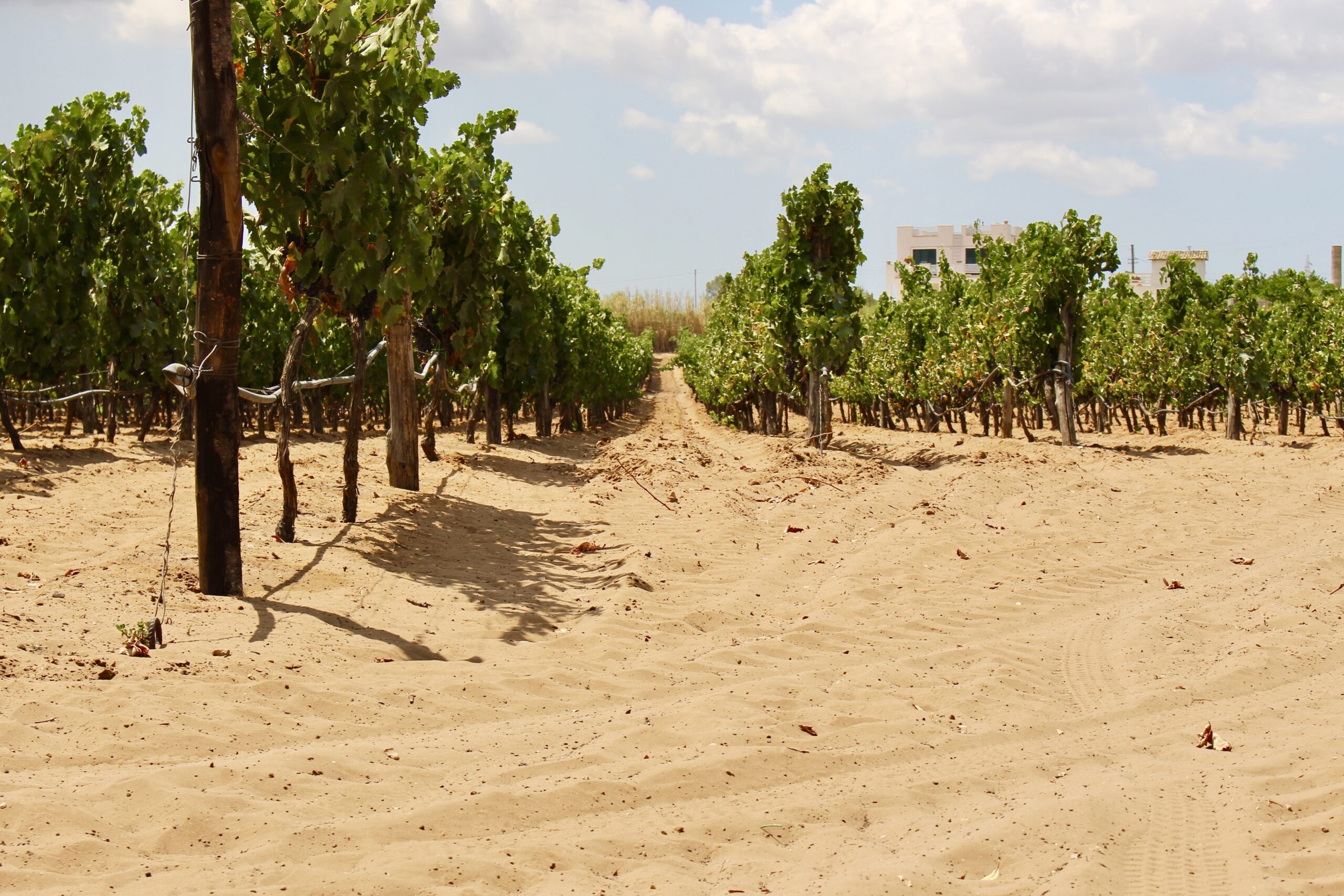
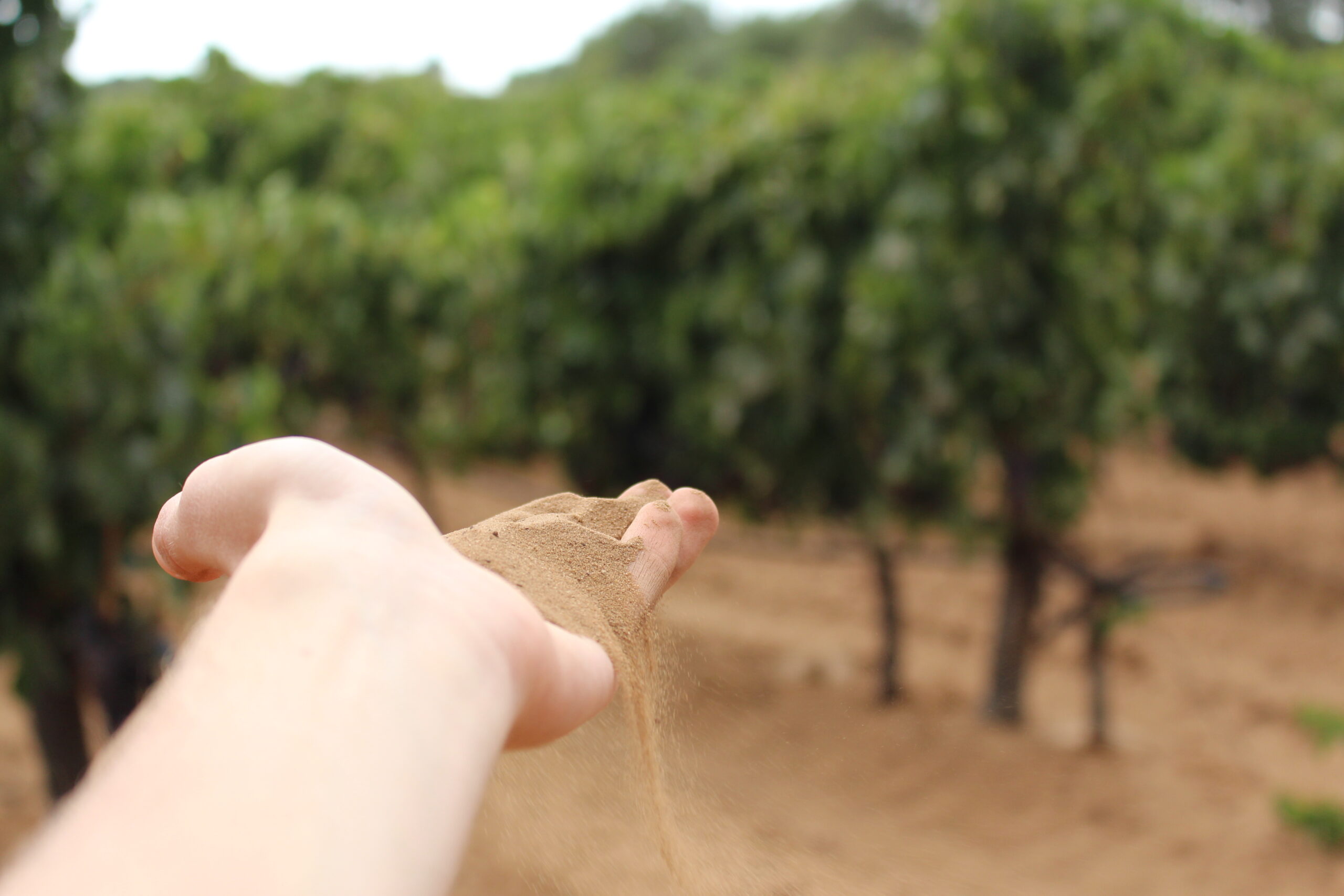
10 kilometers off the coast of southern Sicily, ancient marine dunes cover a secret buried 8 meters down. From this terroir, marked by the sea and intense Mediterranean sun, Paolo Calì is turning out wines built on minimal inputs and finesse when you’d expect force.
The turn of the millennium marked a turning period in Sicilian wine when producers went from plonk to quality. For decades, the island had been a workhouse region—exporting sweeter, more phenolic bulk to the north to bolster the “thinner” wines of wealthier Tuscans and Piemontese struggling to ripen grapes.
In the lead-up to 2001, Paolo Calì was slowly reviving his family’s viticultural tradition in the Ragusa province dating back three centuries. But even with vines in his blood and a foundation in chemistry and biology, was it the right move?
In Vittoria, a line-caught lunch and the powder-soft earth might make you question all future vacation plans. Don’t be mistaken. At this latitude, shared roughly with Tunis, Kalamata, and Bodrum, vineyard work hard-stops well before noon — unless you want your fate to be that of the fish on your plate.
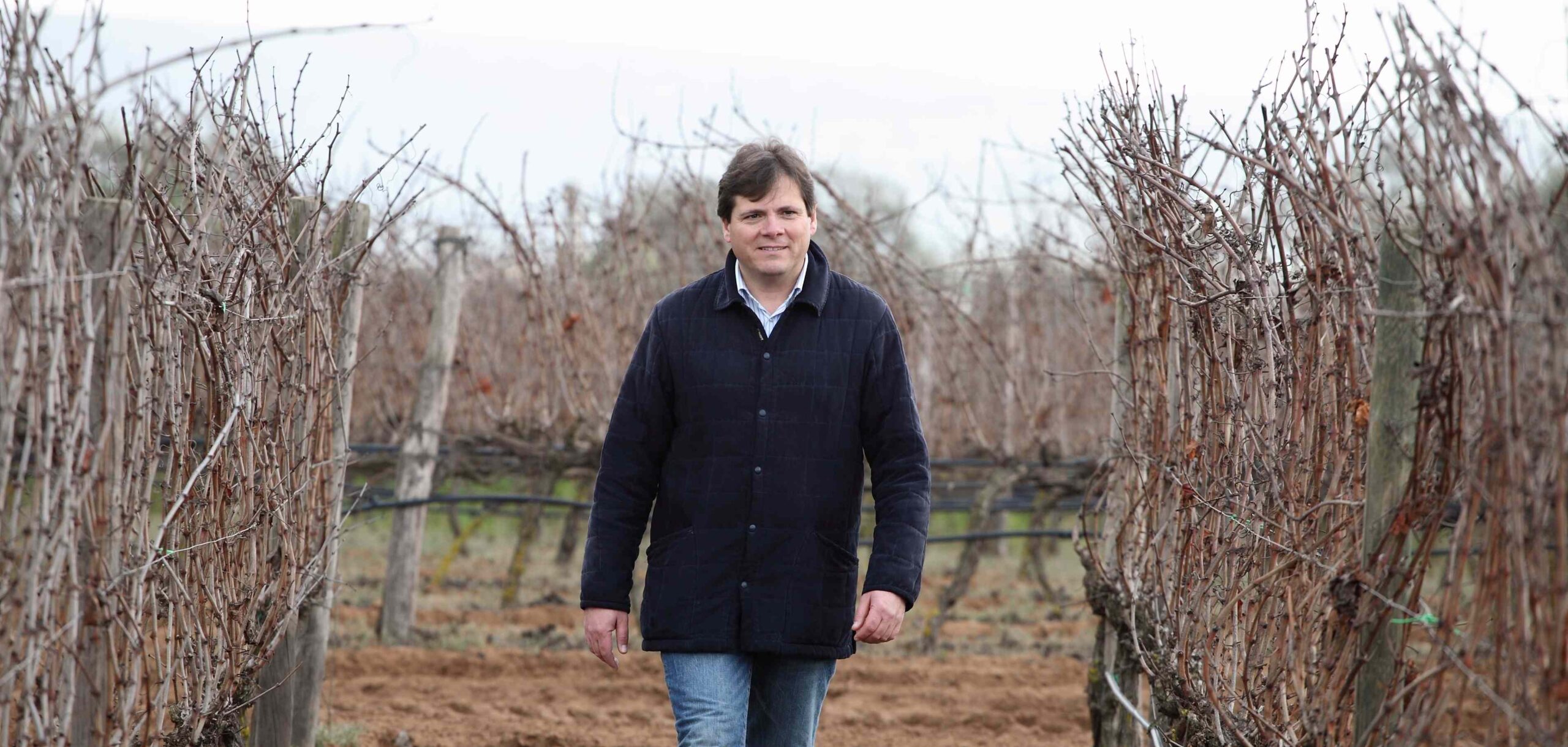
Paolo’s childhood was spent on his family’s land, from the dunes of Vittoria to the hills of Ragusa. But the older he got, the more the land receded into the background of a life that needed surer footing. He became a pharmacist — a profession of measurable compounds and more predictable outcomes. The vines would wait.
Then Sicily’s wine pendulum swung toward quality, driven by a generational shift in mindset. There was no eureka moment for the pharmacist turned vigneron, but at a certain point, the long bet is called and a childhood dream materializes.
Paolo began clearing the family’s nearly forgotten parcels and replanting Nero d’Avola and Frappato. It was 1990, 15 years before Cerasuolo di Vittoria added a “G” to its DOC, making it the lone DOCG of Sicily.
With each growing season, Paolo dedicated more time on the vines, initially making wines for local consumption, and later for commercialization. A proper cellar didn’t come until the early 2000s.
Paolo maintains a great respect for the family’s land. Organic viticulture and low intervention—admittedly less fraught than in the damp climates of the north—was monastic from the beginning.
Many now 30-year-old vines have driven their roots in the sand towards the limestone bedrock. The deep, calcium-laced soils retain just enough seasonal rainwater to sustain the vines through the hot, dry growing season.
Picking is done by hand. Fermentations are spontaneous, while Paolo favors neutral vessels of various kinds — Slavonian oak, amphora, and stainless steel.
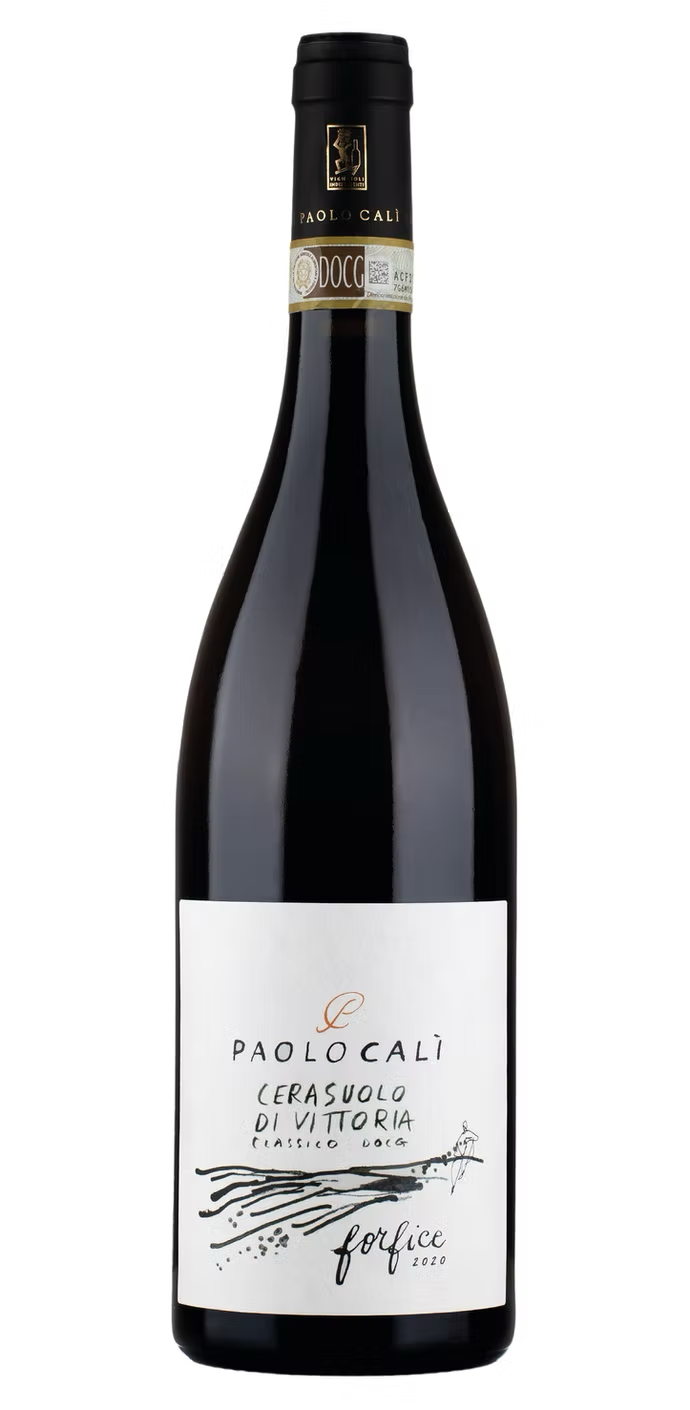
The most prized site is Forfice, with perfect exposure and planted in separate blocks of Frappato and Nero d’Avola. Grapes co-ferment with the cap submerged for 100 days. After two years in Slavonian oak and amphora and further bottle-aging, an emulsion of these varieties brings out a single-vineyard expression built on finesse. With some time in bottle, Forfice feels weightless yet profound, with layers of bright fruit, spice, and salinity.
Inspired by the name of Paolo’s son Emanuele and the sound the name took the first few times the child pronounced it himself (the toddler’s mispronunciation of “Emanuele”), “Manene” is drawn from each of estate’s defining vineyards: Forfice, Niscia, and Pruvuletta. Fermentation of Nero d’Avola and Frappato are carried out independently in stainless steel, and after 18 to 24 months, mostly in stainless steel tank, a Cerasuolo di Vittoria DOCG intended for earlier consumption is bottled.
The backbone of the production in red is the DOC wines, Nero d’Avola and Frappato, alongside a Grillo-based IGT from the more rugged limestone hills at 350 meters above sea level in Ragusa. These “fresh style” wines are extracted slowly, showcasing the unexpected high-toned elegance we’ve come to appreciate of this growing area.
It’s worth remembering how recent this wave of low-input, high-quality wine has come in Sicily — and noting much Paolo Calì has contributed in his own understated, and patient way.
wines
Varietal/Blend
Grillo
Vineyard Area
The Grillo is grown in a different site with both significantly higher elevation (than the reds) and soil composition.
Soil
Limestone-rich clay with many rocky outcroppings (calcareous)
Elevation
350 meters
Farming Practice
Organic
Vinification
Picked by hand. Cold skin maceration on the skins, cold static clarification of the must, followed by a native fermentation at 16°C. Maturation on lees until bottling.
Maturation
Aged on the lees until bottling in stainless steel.
Marketing Materials:
Bottle Shots + -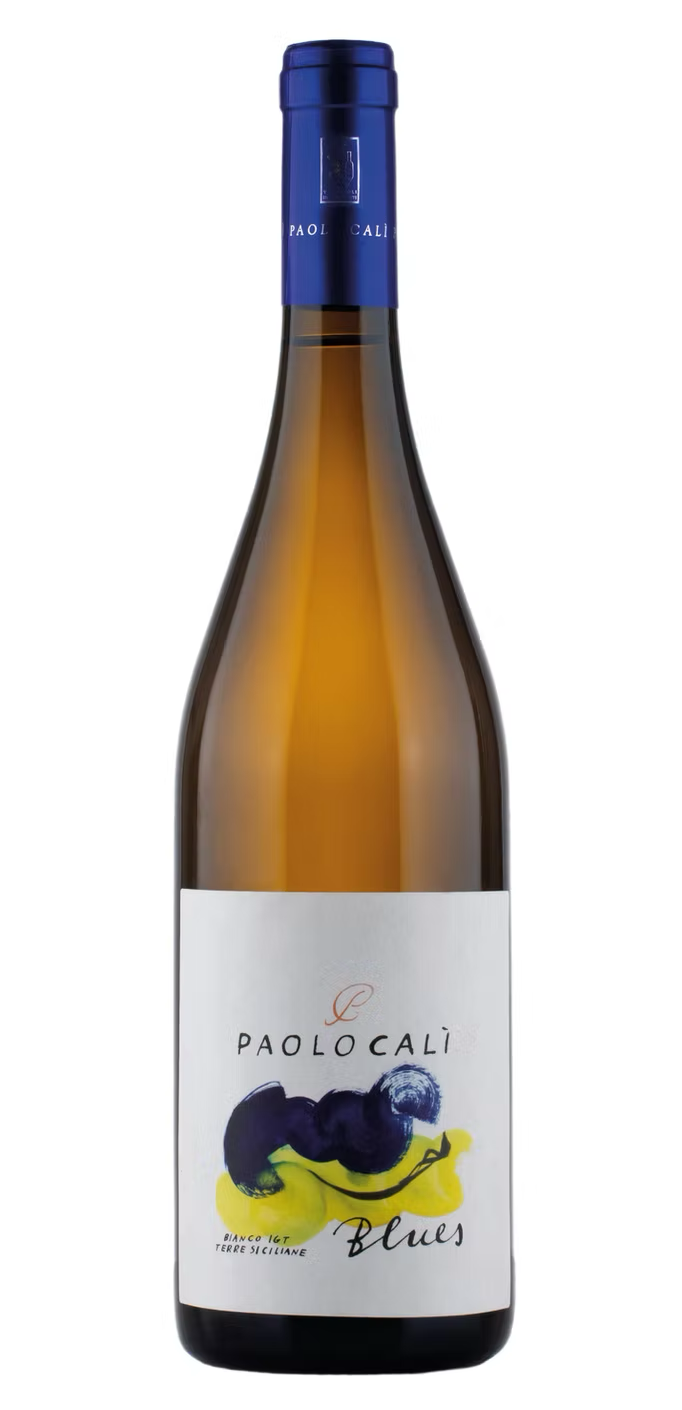
Varietal/Blend
Frappato
Vineyard Area
The Frappato comes from a larger selection of young vines in two of Calì's vineyards in Vittoria called Forfice and Pruvuletta.
Soil
Pre-historic marine dunes approximately 8 meters deep, undergirded by limestone bedrock — former seabed, located roughly 10 km from the current coastline.
Elevation
180 meters
Vinification
Picked by hand. Spontaneous fermentation. 8 to 15 days maceration in stainless steel tanks.
Maturation
Fermented and aged in stainless steel; approximately 4–6 months in stainless steel.
Marketing Materials:
Bottle Shots + -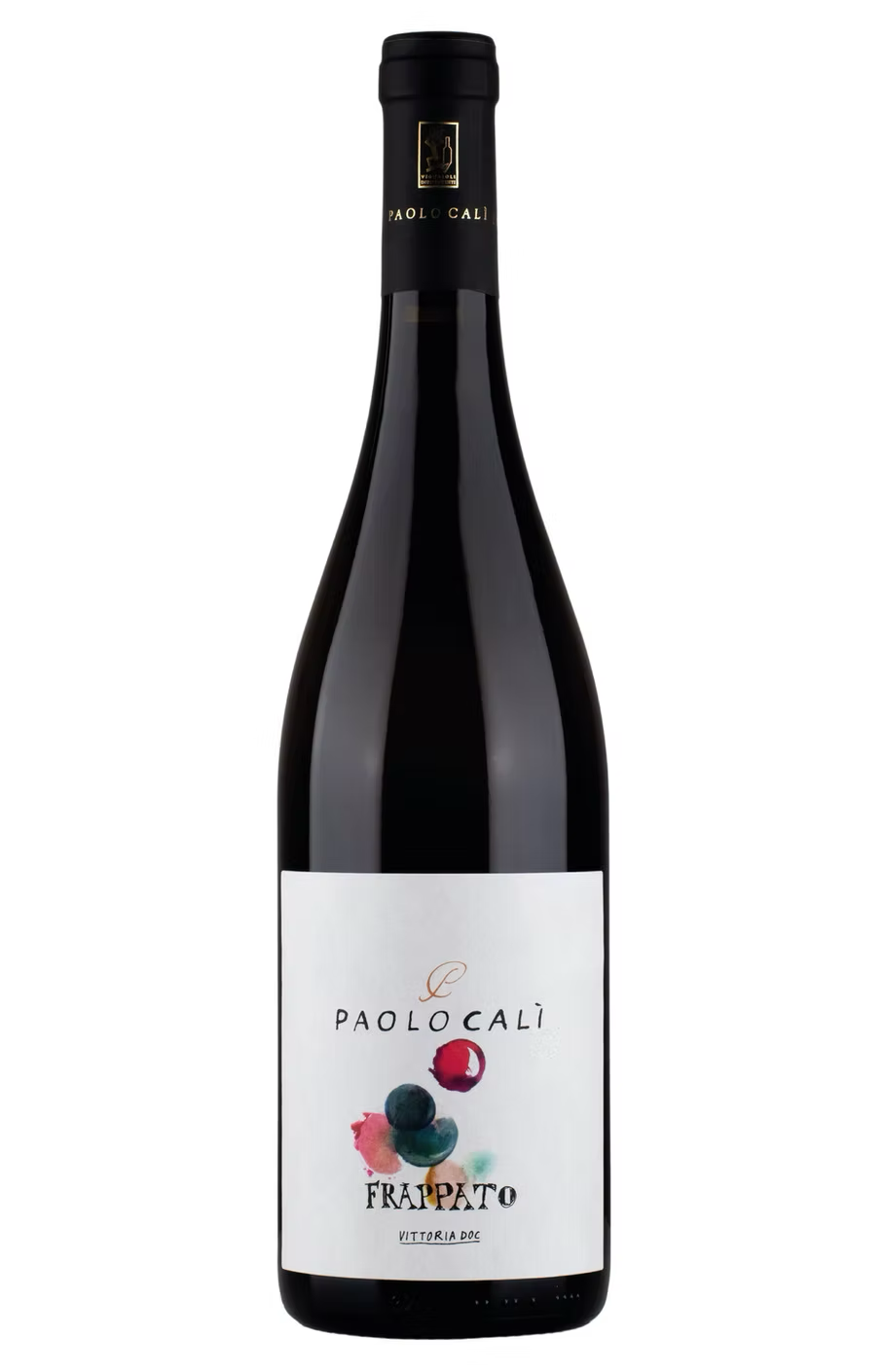
Varietal/Blend
Nero d'Avola
Vineyard Area
The Nero d'Avola comes from a larger selection of young vines in two of Calì's vineyards in Vittoria called Niscia and Pruvuletta.
Soil
Pre-historic marine dunes approximately 8 meters deep, undergirded by limestone bedrock — former seabed, located roughly 10 km from the current coastline.
Vinification
Picked by hand. Spontaneous fermentation. 8 to 15 days maceration in stainless steel tanks.
Maturation
Aged only in stainless steel.
Marketing Materials:
Bottle Shots + -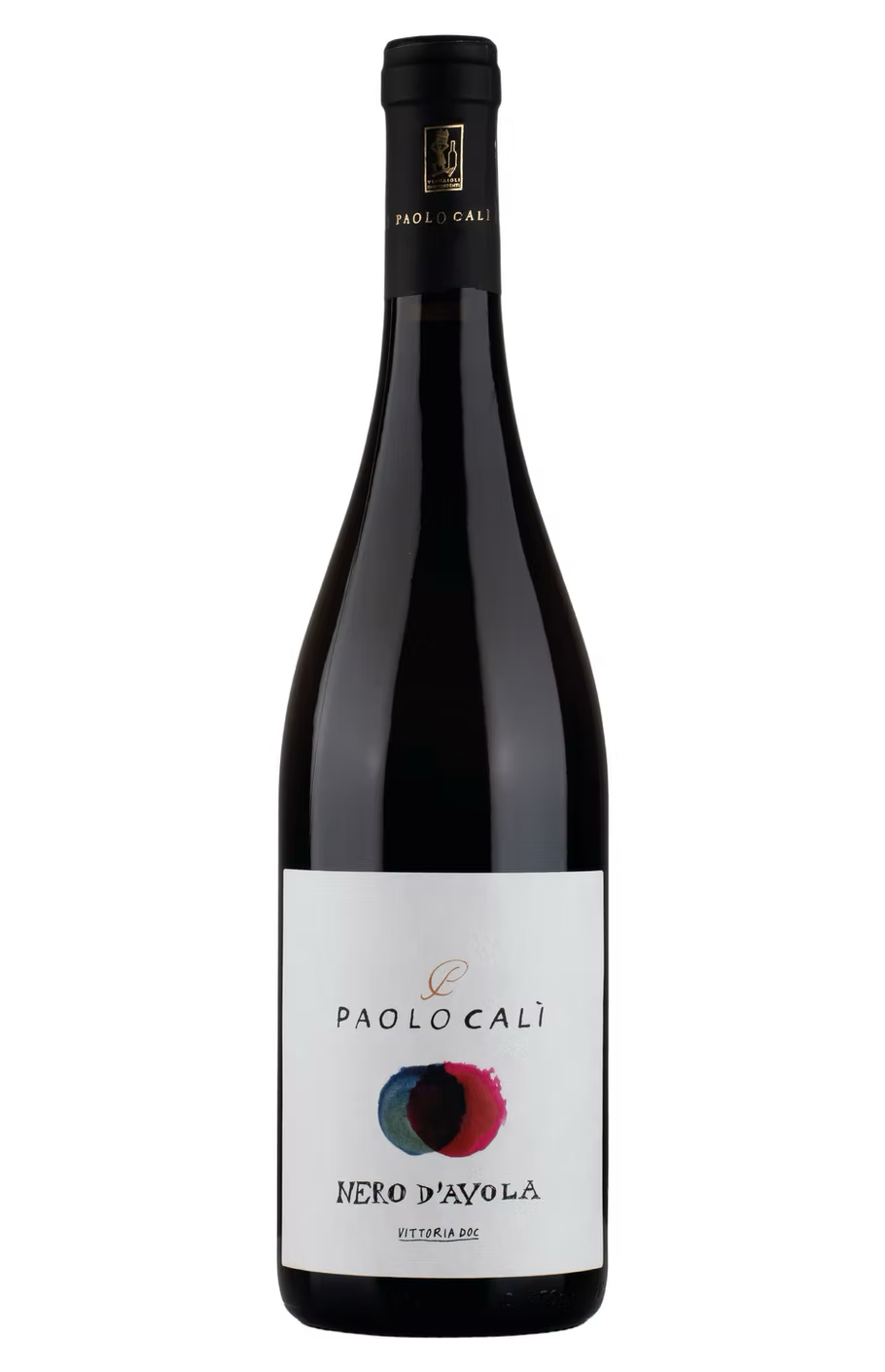
Varietal/Blend
Nero d'Avola (60%), Frappato (40%)
Vineyard Area
"Manene" is a second selection from all three vineyards in Vittoria (Niscia, Forfice, and Pruvuletta). Fermentation of each variety is carried out separately and a blend is made near the end of the maturation.
The name "Manene" is inspired by the name of Paolo's son Emanuele, and the sound that the name took on the first few times the child pronounced it himself (the toddler's mispronunciation of "Emanuele"). Paolo adopted is as the name for his first wine.
Soil
Pre-historic marine dunes approximately 8 meters deep, undergirded by limestone bedrock — former seabed, located roughly 10 km from the current coastline.
Elevation
180 meters
Vinification
Picked by hand. 15 to 20 days maceration in stainless steel tanks. A portion of the Nero d'Avola makes a brief passage in wood.
Maturation
Approximately 18–24 months in stainless steel.
Marketing Materials:
Bottle Shots + -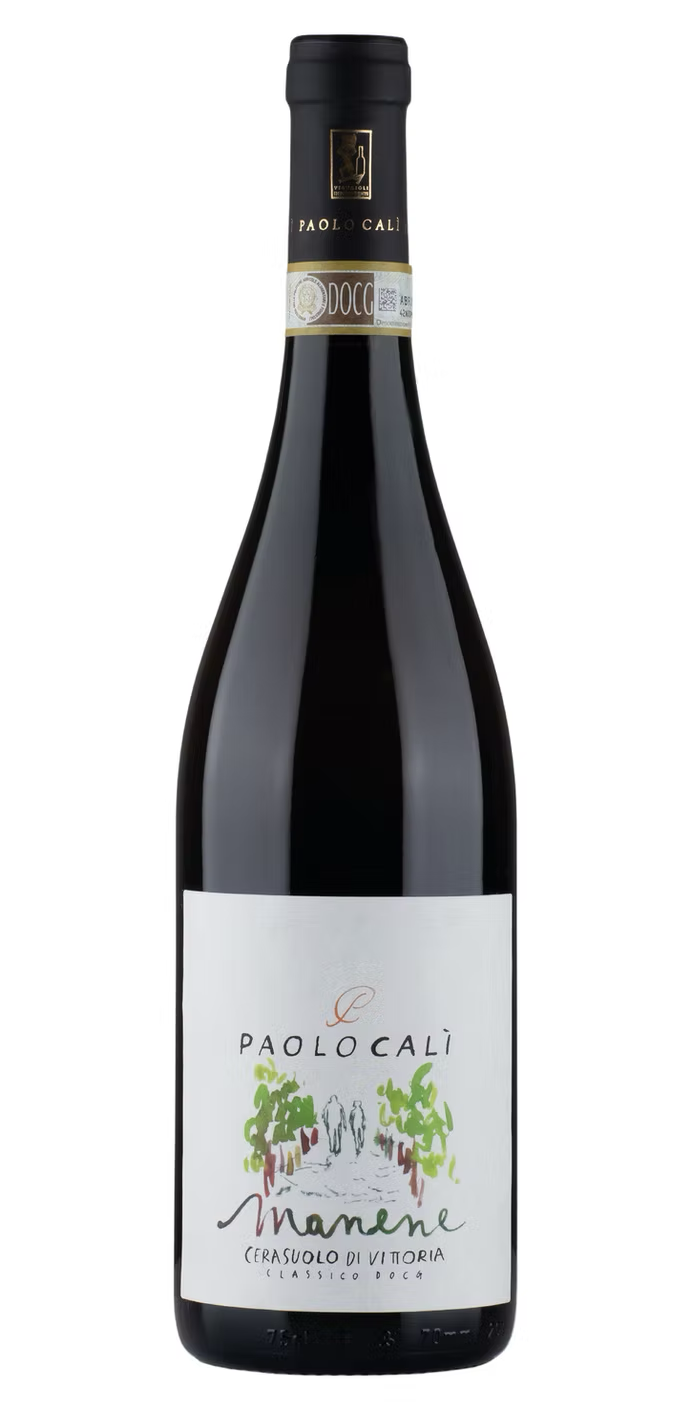
Varietal/Blend
Nero d'Avola (50%), Frappato (50%)
Vineyard Area
From mixed plantings in the vineyard of Forfice, prized for its perfect sun exposure.
Soil
Pre-historic marine dunes approximately 8 meters deep, undergirded by limestone bedrock — former seabed, located roughly 10 km from the current coastline.
Elevation
180 meters
Vinification
Spontaneous co-fermentation of the varieties. Submerged cap maceration on the skins for approximately 100 days.
Maturation
Aged in Slavonian oak barrels and amphora
Marketing Materials:
Bottle Shots + -