Geographic Wines
Douro, Vinho Verde, Biarrada
Nuno Morais Vaz & Daniela Matias
2021
Organic
Inhospitable and Right At Home
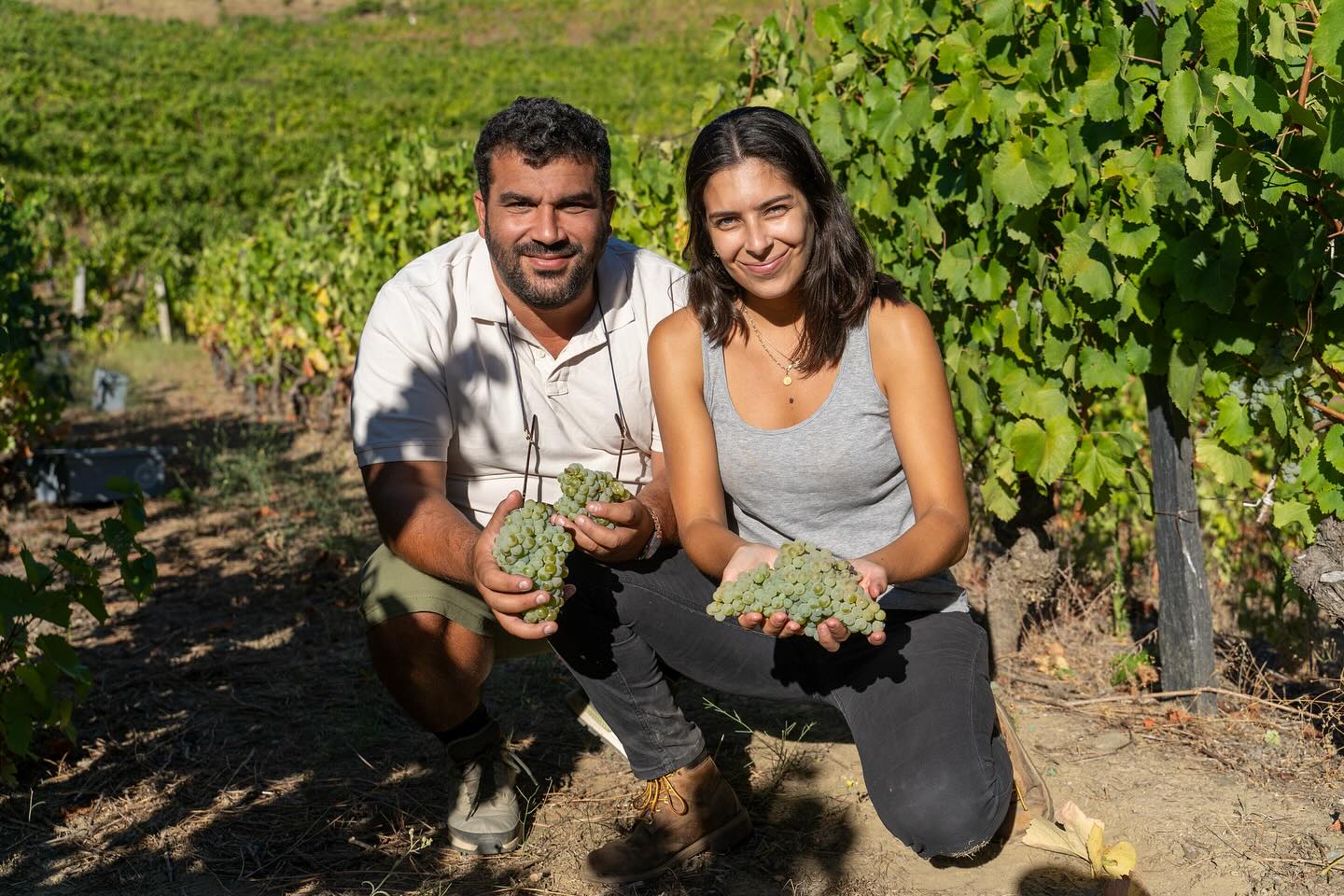
We met Nuno and Daniela in late 2025—not on the Iberian Peninsula, but at Hatchet Hall in Los Angeles. The couple made it their mission to find a US importer. Nuno Morais Vaz arrived viscerally impassioned, if to describe our first impression in just two words. Then Daniela, a perfect teeter to his totter—calm, engaging, and sharing the same deep-seated passion. Together, they represent a new guard of Portuguese winegrowers who balance academic poise with relentless parcel-hunting.
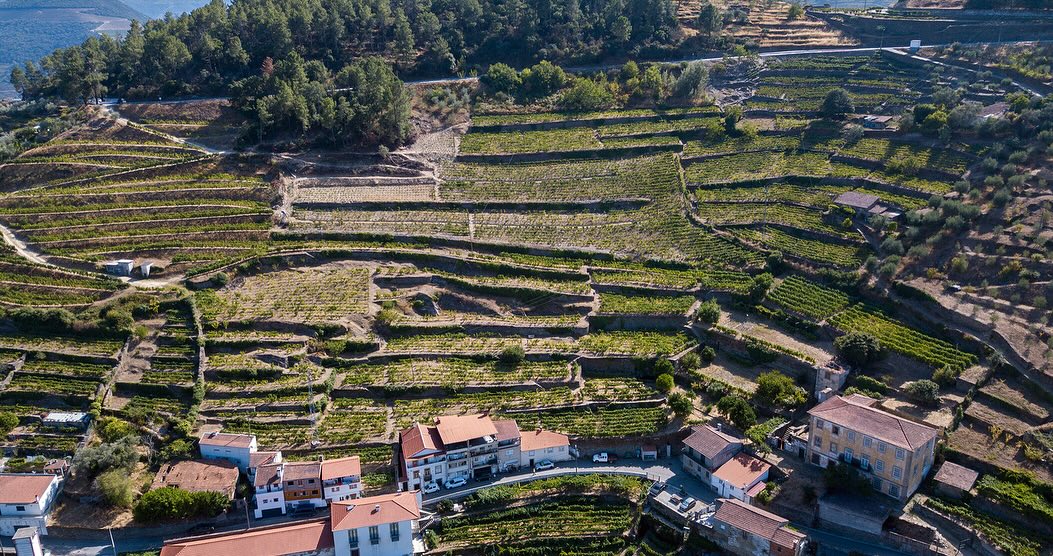
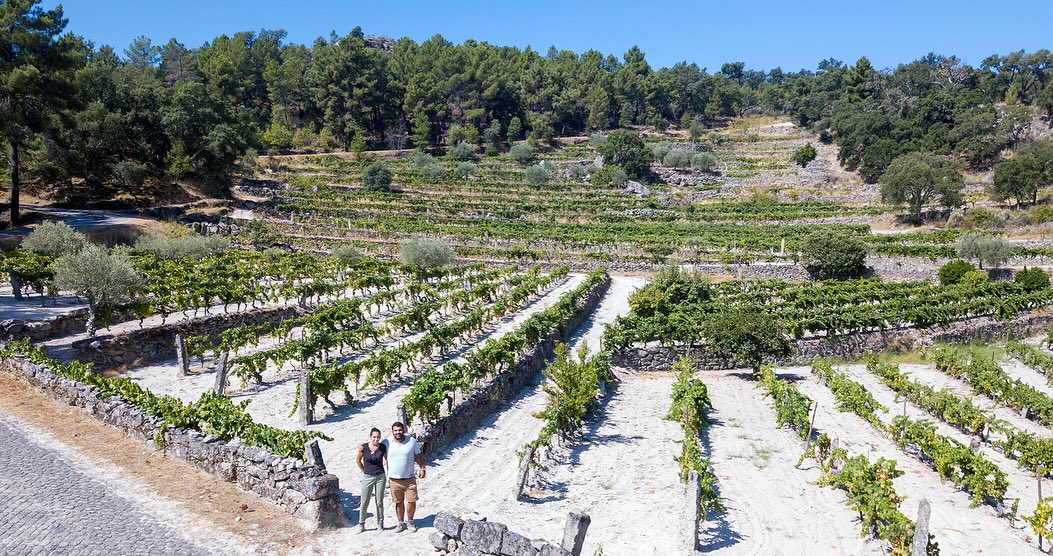
In the rugged, sun-baked landscape of the Douro, tradition is a thick cloak that’s been worn the same way for centuries. For the young couple, the river valley is a living, breathing mosaic that demands a more nuanced approach. While many see a riverbank with endless rows of schist, the duo behind Geographic Wines see a different reality—one defined by what they describes as the “unexpected surprises” found in the Douro’s nooks and crannies.
Nuno carries an ancestral memory as a seventh-generation descendant of the Douro. After sharpening his skills in New Zealand at Matua and Seresin, he spent seven years as assistant winemaker to the renowned Anselmo Mendes in Vinho Verde, during which something crystallized: he would scout forgotten plots and unlock viticultural potential while paying tribute to the region’s heritage.
Hailing from Portugal’s smallest wine region of Carcavelos near Lisbon, Daniela Matias emerged from the University of Lisbon’s Instituto Superior de Agronomia with a Master’s in Viticulture and Enology (with honors for merit and excellence). It is her view that oenology is an exact science, but one that requires a soft touch. She, like her partner, obsesses over the preservation of the nearly extinct, but she treats the unique genetic heritage of declining old vines with the reverence of a museum curator, ensuring the Douro’s history isn’t lost to modern standardization.
“For us, the Douro represents far more than just a region, a river, and the schist vineyards that adorn its slopes. Geographic Wines aims to illustrate that the reality of this area is far more intricate and varied.”
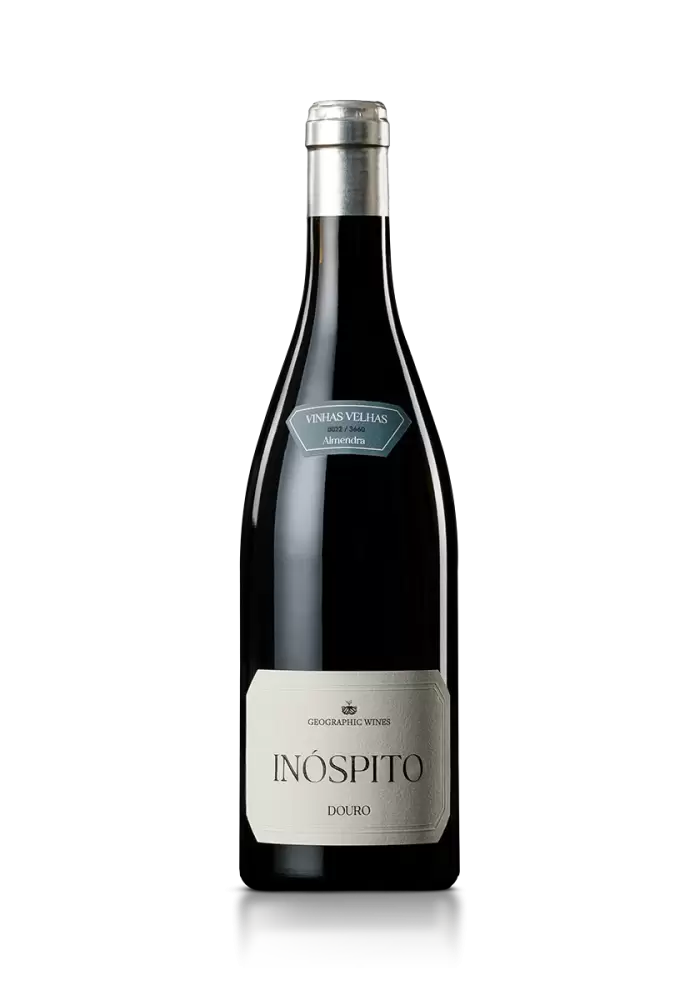
Terroir expression is vividly realized in their “Inóspito” range. Aptly named for the “inhospitable” nature of the land, these wines are born from rugged, punishing sites traditionally cultivated for Port and otherwise muddle or lost to time due to stingy yields and unforgiving terrain.
While these ancient plots are traditionally associated with the shriveled, high-sugar grapes of Port production, Nuno and Daniela reimagine them by harvesting earlier, picking when potential alcohol is low—often around 12% alcohol. One might expect screaming acidity and tart fruit, but instead, a firm backbone frames out aromatically explosive wines without crowding the palate. The real surprise: a concentration and deep minerality that expands and shines out the back with impressive length.
Geographic’s reach extends well beyond the Douro’s heat and into the salt-sprayed Atlantic terroirs through their “Landcraft” range. With it, the couple chases the same textured acidity but with a maritime freshness. Moving into the cooler northern reaches near the Minho River and into the Monção and Melgaço zones, they highlight Alvarinho—a noble variety that finds its most profound expression on the area’s granitic slopes.
With “Landcraft”, they continue their advocacy for early harvests, allowing the fruit’s natural vitality drive healthy fermentations without the need for commercial yeasts or acidification. Whether working with the granite-reared Loureiro of the Lima Valley, the chalky limestone of Bairrada, or the high-toned Alvarinho of the north, the goal remains the same: a transparent window into the terroir.
The project is a deliberate rejection of the “status quo” in favor of something more precise and electric. Yet, Nuno and Daniela are stewards of a legacy, steadily progressing toward a vision where character and elegance are the only benchmarks that matter. Geographic Wines remains refreshingly human—a project born of a simple, shared belief in the potential for Portuguese greatness.
wines
Varietal/Blend
Alvarinho
Vineyard Area
Alvarinho is drawn from the banks of the Minho River in the iconic sub-region of Monção and Melgaço.
The climate is mostly cool during the maturation phase with abundant rainfall in the winter and spring. Grapes mature slowly, generally resulting with balanced maturity and with a vibrant and mineral acidity.
Soil
More granitic in Melgaço and more alluvial in Monção
Exposure
Southwest
Vinification
Hand-harvested. Pre-fermentative maceration for 12 hours, spontaneous fermentation with indigenous yeasts and controlled temperature.
Maturation
Aged on lees for 8 months with periodic bâtonnage.
Marketing Materials:
Bottle Shots + -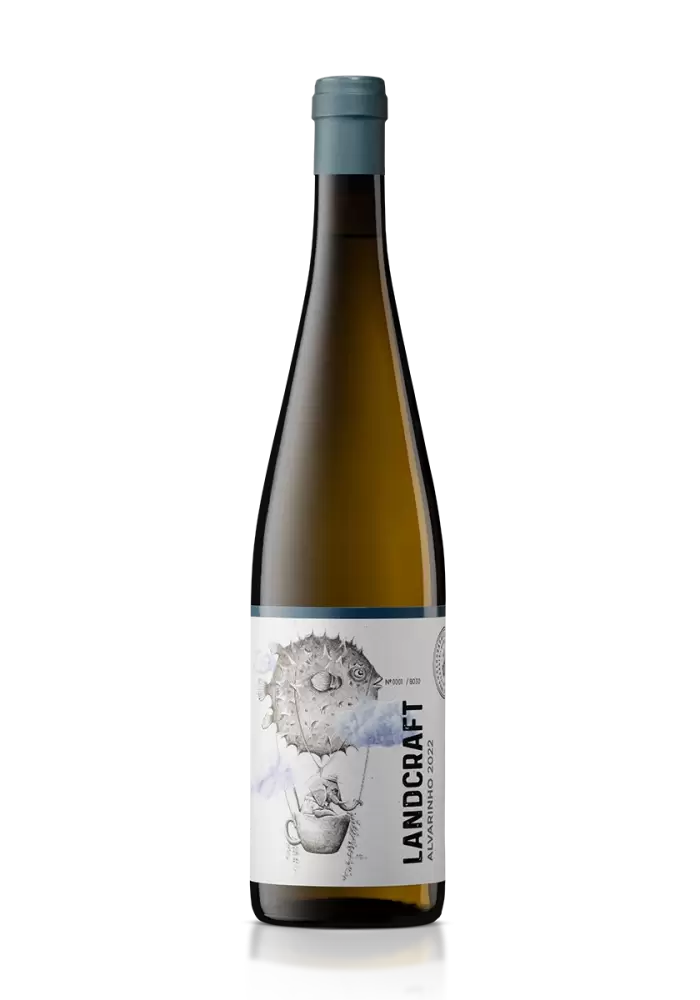
Varietal/Blend
Rabigato, Viosinho, Gouveio, Códega de Larinho, Síria, and, Folgasão
Vineyard Area
"Chão de Areia", which translated to "Ground of Sand", is drawn from two sites planted in the early 1900s.
Soil
Granitic sand
Elevation
500 meters
Vinification
Hand-harvested. Native fermentation in barrel at controlled temperature.
Maturation
Aging on the lees in new and used French oak barrels of 500 and 600 liters for 10 months.
Marketing Materials:
Bottle Shots + -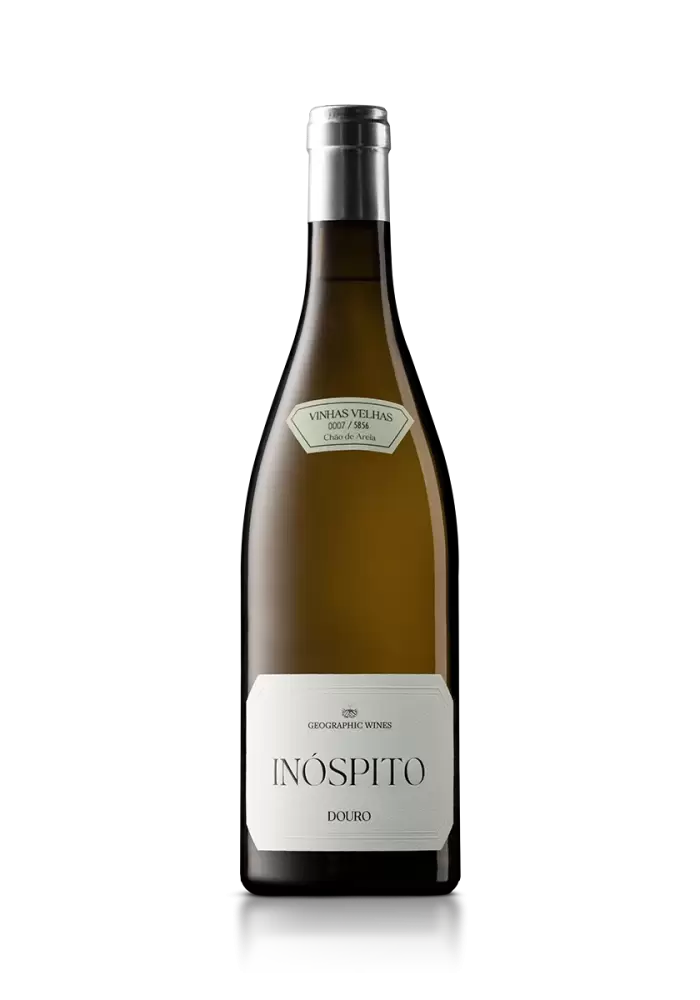
Varietal/Blend
Touriga Nacional, Bastardo, Touriga Franca, Tinta Barroca, Tinta Amarela, Tinta Roriz, and Tinto Cão
Vineyard Area
"Lento"("slow" in Portuguese) is drawn from a collection of vineyards along the Douro that are older than 100 years.
Soil
Schist
Elevation
150 to 500 meters
Exposure
Various exposures
Vinification
Hand-harvested and foot treaded. Native fermentation in mostly open-top granite lagar with a small portion of stainless steel.
Maturation
One year in stainless steel
Marketing Materials:
Bottle Shots + -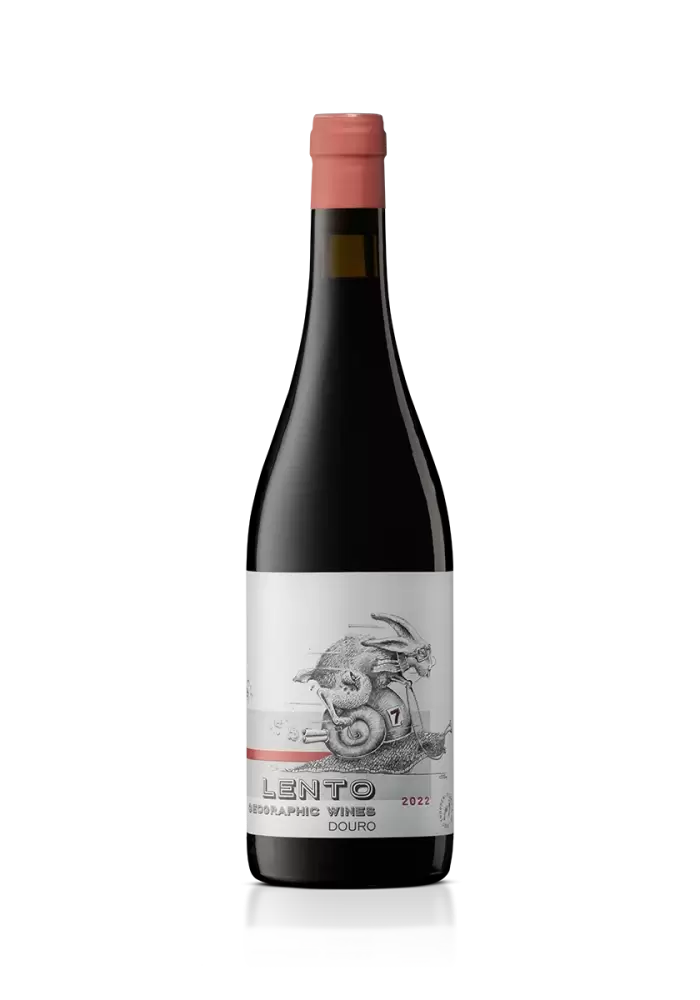
Varietal/Blend
Field Blend (more than 45 varieties)
Vineyard Area
"Almendra" comes from a vineyard that was planted in 1850 near the parish of Almendra, situated on the banks of the Douro river
Soil
Poor clay-schist
Elevation
200 to 250 meters ab.s.l
Vinification
Hand-harvested. Native fermentation after foot treading in a granite lagar (typical open-top stone fermentor). After fermentation, the wine is moved to new and used French oak barrels (225 and 500 liters)
Maturation
18 months
Marketing Materials:
Bottle Shots + -