Giovanni Almondo
Roero
Almondo Family
1978
22 hectares
Organic

Contrarian’s Gambit
In a part of Piemonte almost exclusively devoted to red wine, the Almondo family took the path less traveled—making what’s been dubbed “the white Barolo.”
When you go out to eat in La Morra, which is perched above some of the most renowned vineyards in Barolo, you have a pretty good idea of what will fill your glass. Especially if you’re meeting a nebbiolo whisperer like Gianluca Grasso. So when Grasso kicked off a dinner with Jim by requesting not one but two bottles of a pale white arneis from nearby Roero, it was time to pay attention. The wine in question was Giovanni Almondo’s Bricco delle Ciliegie—named after the onetime orchard where the vines had been planted—and Grasso had a confession: He’d taken to swapping bottles of his Barolo for it.
Considering the price differential, Almondo would typically give him more—but Grasso wondered how long that would last. “It’s not a fair trade,” he chuckled. After one sip of this lip-smacking synthesis of stone fruit, salinity and mint-flecked citrus, Jim was hard-pressed to argue: this arneis really was that good. It combined the racy refreshment of a floral gin-and-tonic with a textural depth that led in only one possible direction: an itinerary-busting beeline to the Almondo family’s farm in Montà.
They’d raised wine grapes for centuries—along with cherries, asparagus, cereal grains, and a few cows—but produced vino sfuso, “loose wine” that was basically sold in bulk to anyone who turned up with an empty jug. That changed in 1980, when Giovanni’s son Domenico Almondo conjured up a counterintuitive dream: making a top-flight white “in a region almost exclusively devoted to red.”
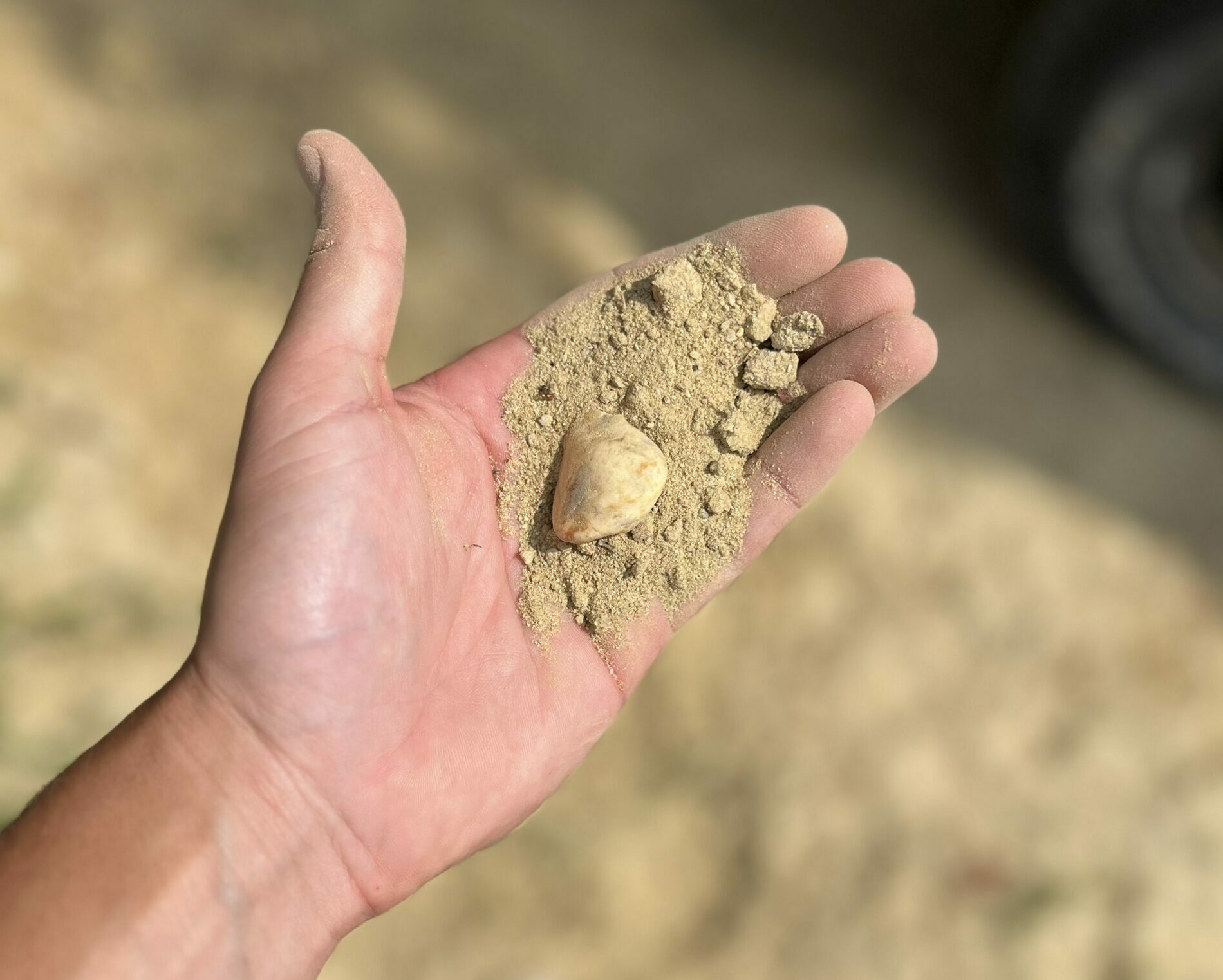
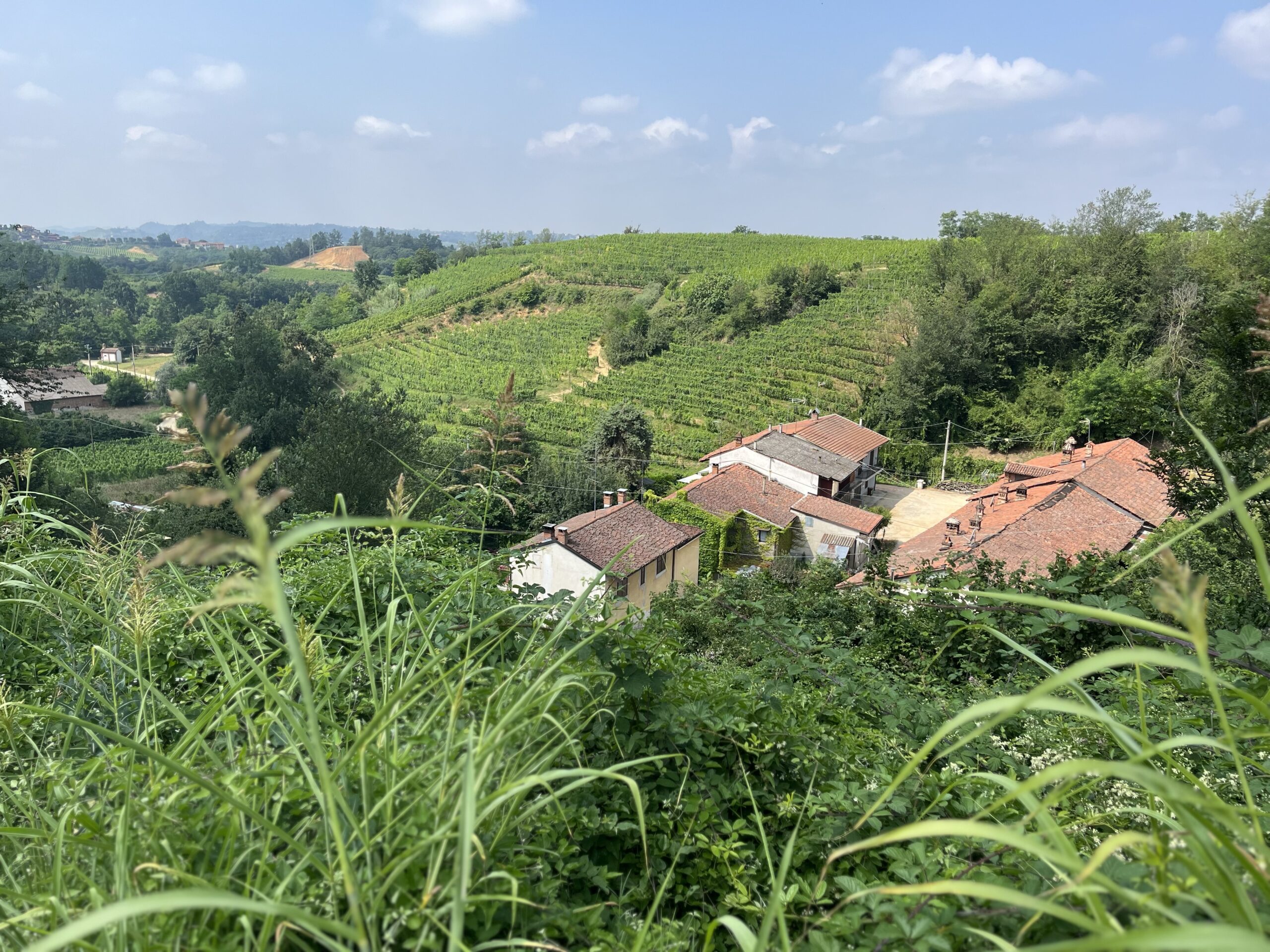
Marrying multi-generational knowledge with modern techniques, the Almondos have pulled something truly special from these windswept slopes—which earned organic certification in 2022. The calcareous clay of their northerly vineyards drive an acidic expression of arneis laced with savory minerality. The sandy soils a bit to the south emphasize the grape’s fruitier, rounder side. “The truly unique terroir of the north is adapted to an arneis that’s full of energy,” says Domenico’s son Federico, who has taken up the reins along with his brother Stefano, “while the more typical terrain of the south gives fruit and opulence. So you don’t need barriques to bring out the terroir—stainless steel, cement, and bigger barrels work beautifully.”
Be it in single-vineyard bottlings like the Bricco delle Ciliegie, or multi-site blends that capitalize on varied soil types and exposures, the Almondo family has shown that the undervalued arneis varietal—once on the brink of extinction—can be riveting when it’s handled with care in the right part of Roero.
That quest for multidimensional purity won’t change. But now, says Federico, “there’s a new page to write.” This time the ink will be red. “We may be known as bianchiste, but we also have seven hectares of nebbiolo! We’re passionate about these vines … which give different wines in our little zone—full of elegance and finesse, nuance and fine details.”
Whether you class them as bianchiste or nebbioliste, the Almondo family has earned a spot at the center of any discussion about Roero and the Langhe.
wines
Varietal/Blend
Arneis
Vineyard Area
From a vineyard called "Sparse" in Roero.
Soil
There are three types of soils found in the vineyard:
1. Sandy: 80% sand, 15% limestone, 5% clay
2. Clay and calcareous: 35% sand, 25% limestone, 40% clay
3. Acidic clay (ph 5,5): 40% sand, 30% limestone, 30% clay
Elevation
310 - 370 meters
Exposure
East – south – west
Vinification
Manual harvest and sort followed by a 12-hour cold maceration before the start of fermentation.
Maturation
Matured in entirely in stainless steel tanks for 6 months
Marketing Materials:
Labels + -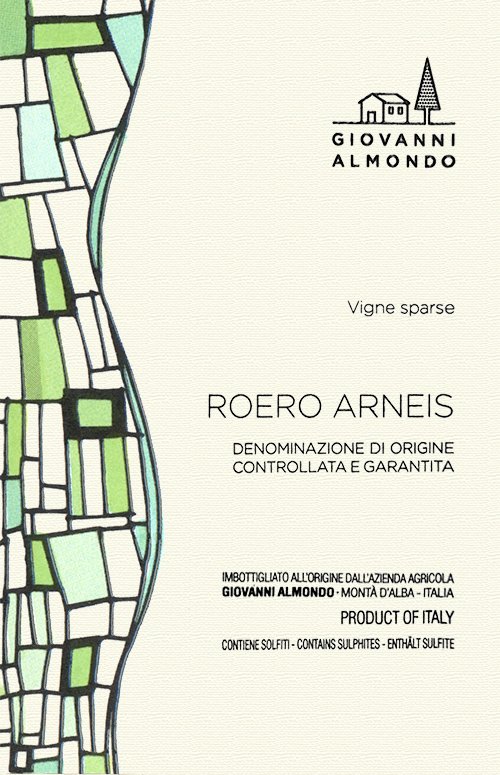
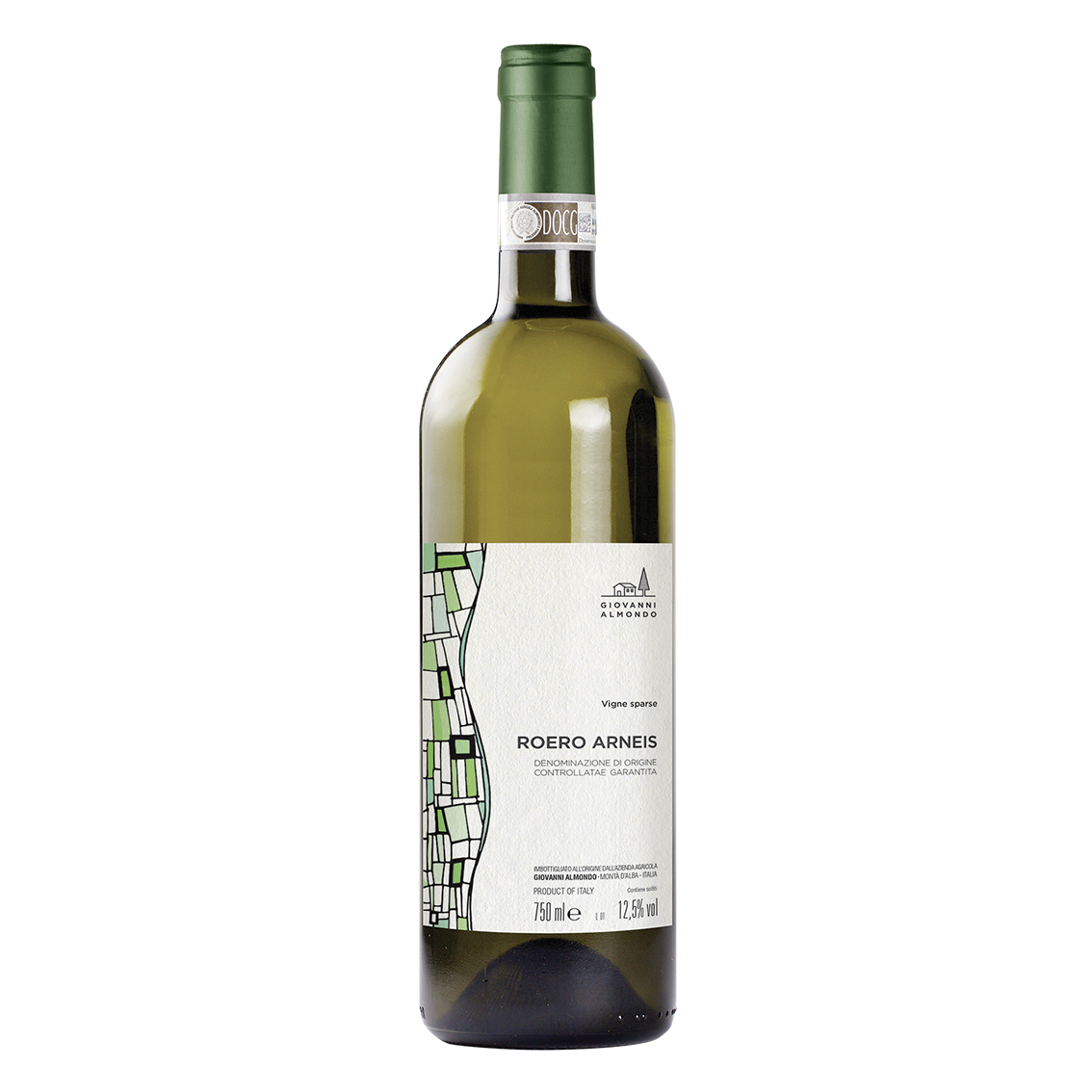
Varietal/Blend
Arneis
Vineyard Area
From a vineyard called "Bricco delle Ciliegie" around Montà in Roero
Soil
Sandy with clay veins, calcareous (60% sand, 15% limestone, 25% clay)
Elevation
340 – 370 meters
Exposure
East – south
Vinification
Manual harvest and sort followed by a 12-hour cold maceration before the start of fermentation.
Maturation
95% in stainless steel for 7 months and remaining 5% in non-toasted French oak
Marketing Materials:
Labels + -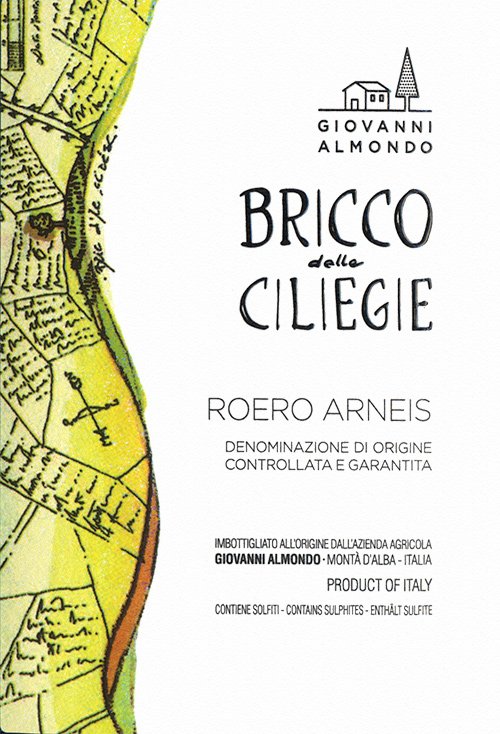
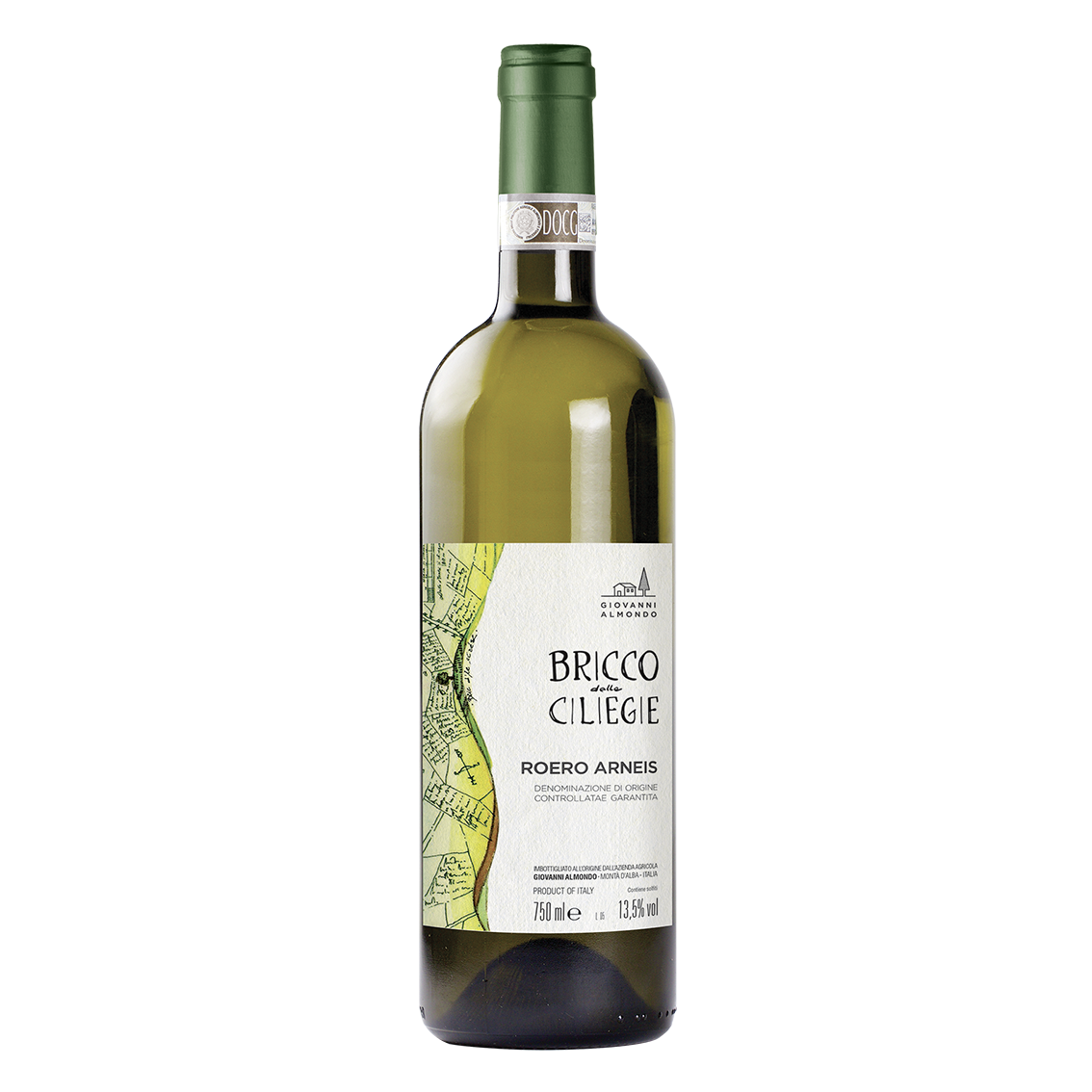
Varietal/Blend
Arneis
Vineyard Area
From a steep plot within Bricco delle Ciliegie called "Le Rive del Bricco." The vines 60 years old rooted in richer clay and limestone with chalky veins.
Soil
Sandy with clay veins, calcareous (60% sand, 15% limestone, 25% clay)
Elevation
350 meters
Exposure
East
Vinification
Manual harvest and sort followed by a 12-hour cold maceration before the start of fermentation.
Maturation
10 months in mostly stainless, with a small portion in ceramic tank and non-toasted Slavonian oak cask.
Marketing Materials:
Bottle Shots + -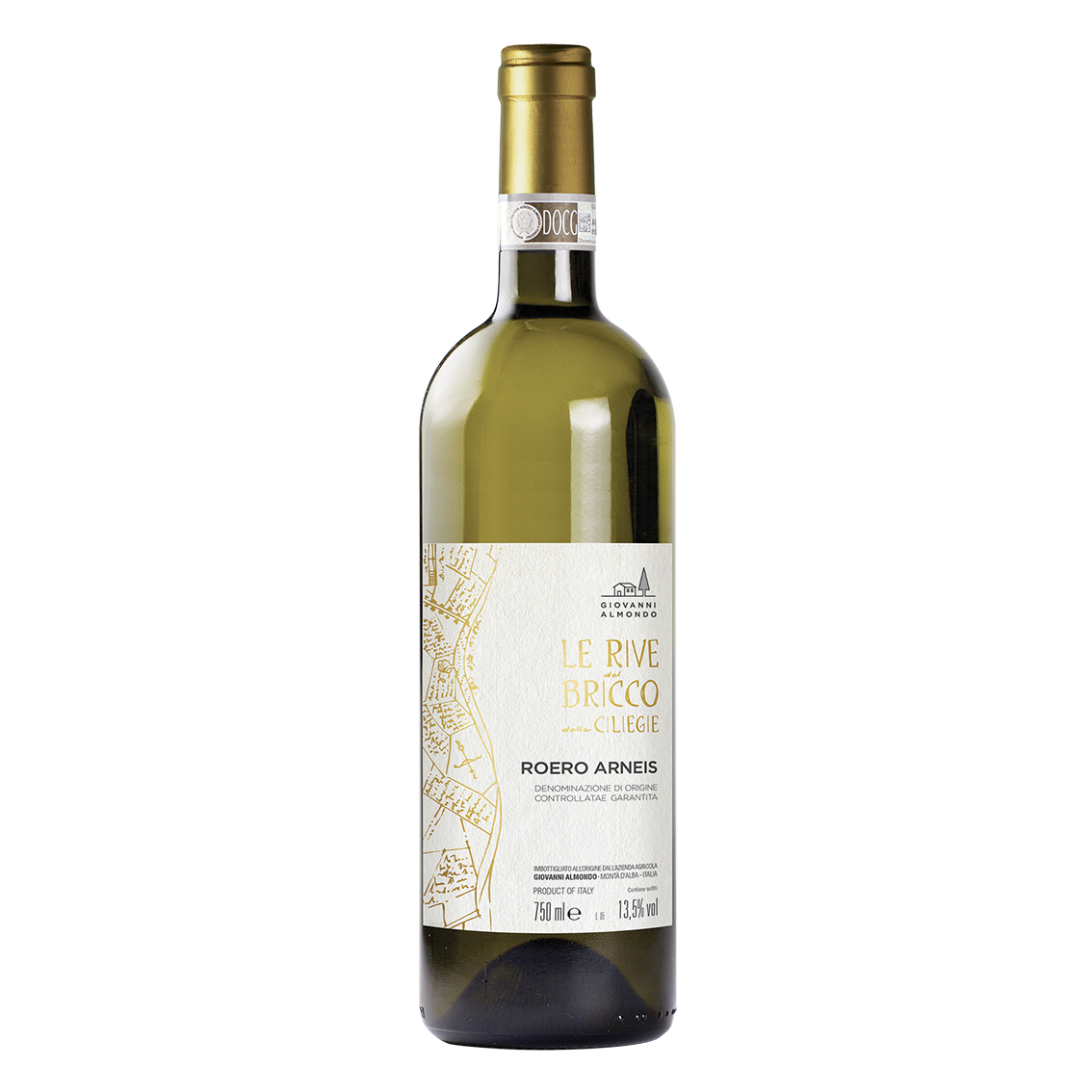
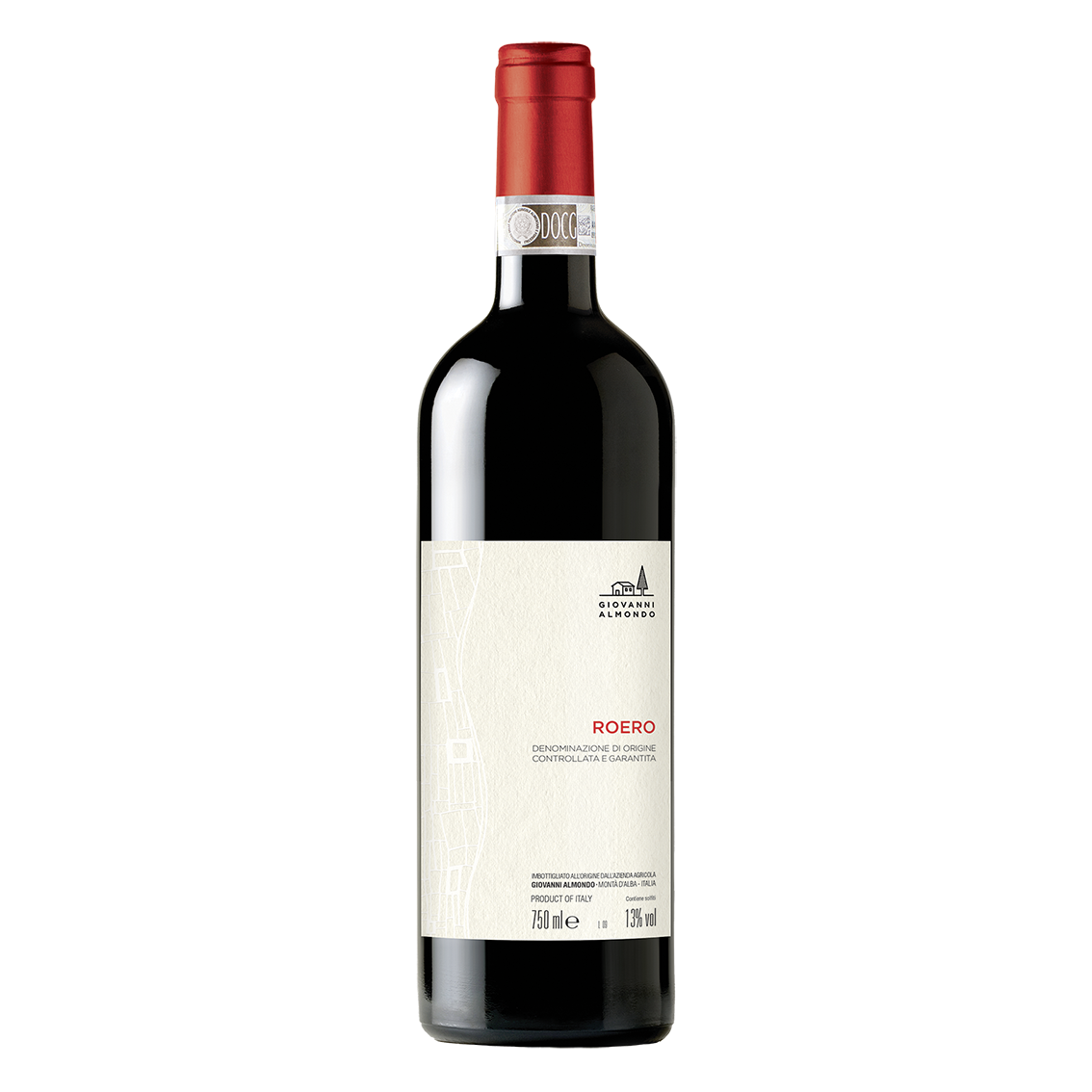
Varietal/Blend
Nebbiolo
Vineyard Area
From 3 different vineyards, all located at Montà d’Alba (Lampia, Michet, Picotendro).
Soil
Sandy, calcareous (70% sand, 20% limestone, 10% clay)
Elevation
320 meters
Exposure
South
Vinification
Manually harvested and sorted, de-stemmed followed by a 15- to 18-day fermentation and maceration
Maturation
18 months in big cask (non toasted Slavonian oak)
Marketing Materials:
Labels + -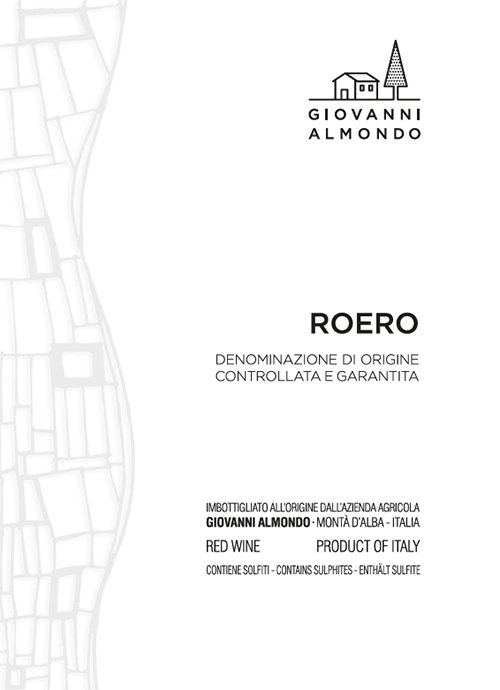
Varietal/Blend
Nebbiolo
Vineyard Area
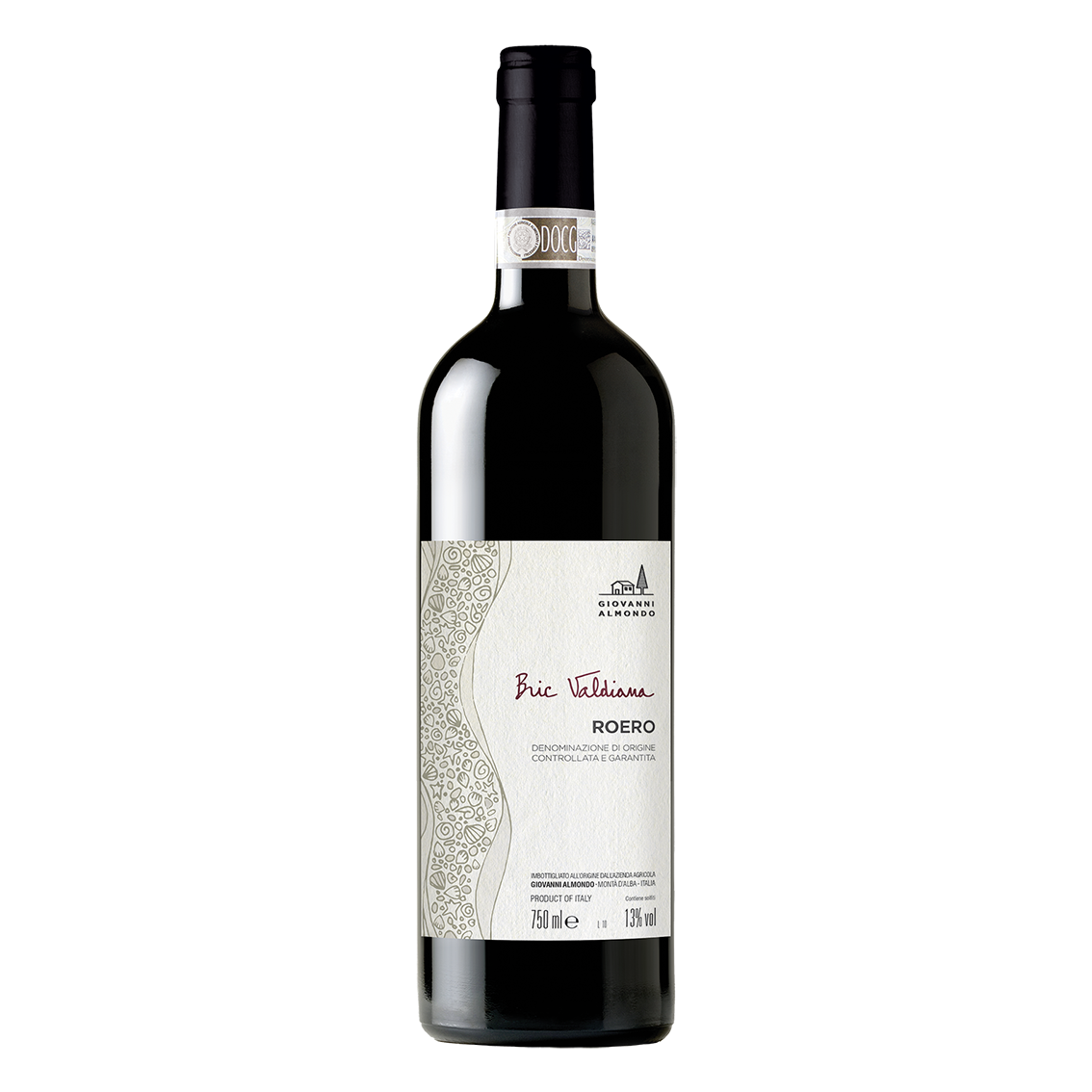
Bric Valdiana is a vineyard in the southern area of Montà d’Alba.
Soil
Sandy, calcareous (65% sand, 20% limestone, 15% clay)
Elevation
250-280 meters
Exposure
South
Vinification
Manual harvest, sort and fully de-stemmed. 18 to 22 days of maceration in stainless steel at low temperature prior to aging.
Maturation
10 months in barrique (light toasting – 50% new) and 12 months in big cask (non toasted slavonian oak)
Marketing Materials:
Labels + -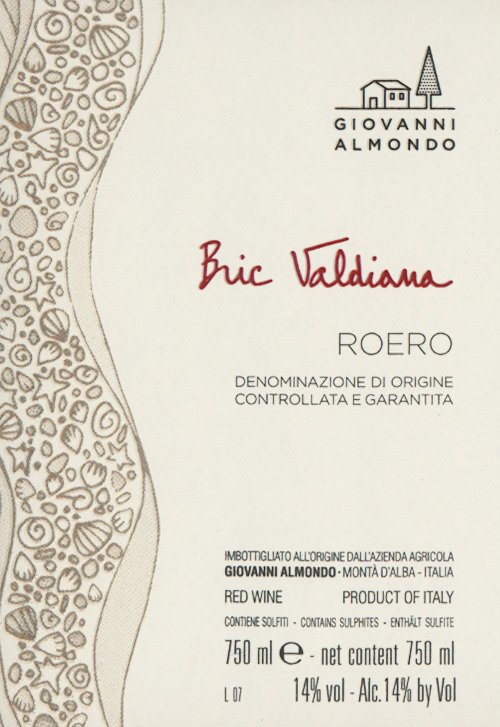
Varietal/Blend
Barbera
Vineyard Area
From a 2-hectare plot on a steep slope in Montà called Valbianchèra. Vines are an average of 45 years old with some plants older than 60.
Soil
The soils is 30% sand, 45% silt, 25% clay, containing 10% of limestone.
Elevation
360 meters
Exposure
Southeast
Vine Training Method
Vertical trellis system – Guyot (4600 vines per hectare)
Vinification
Manually harvested and sorted, de-stemmed followed by an 8-10-day fermentation and maceration
Maturation
18 months in barriques (light toast, 10% new)
Marketing Materials:
Labels + -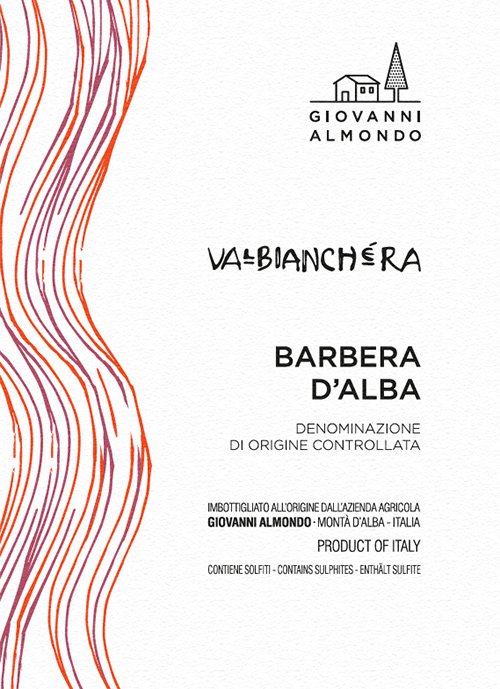
Varietal/Blend
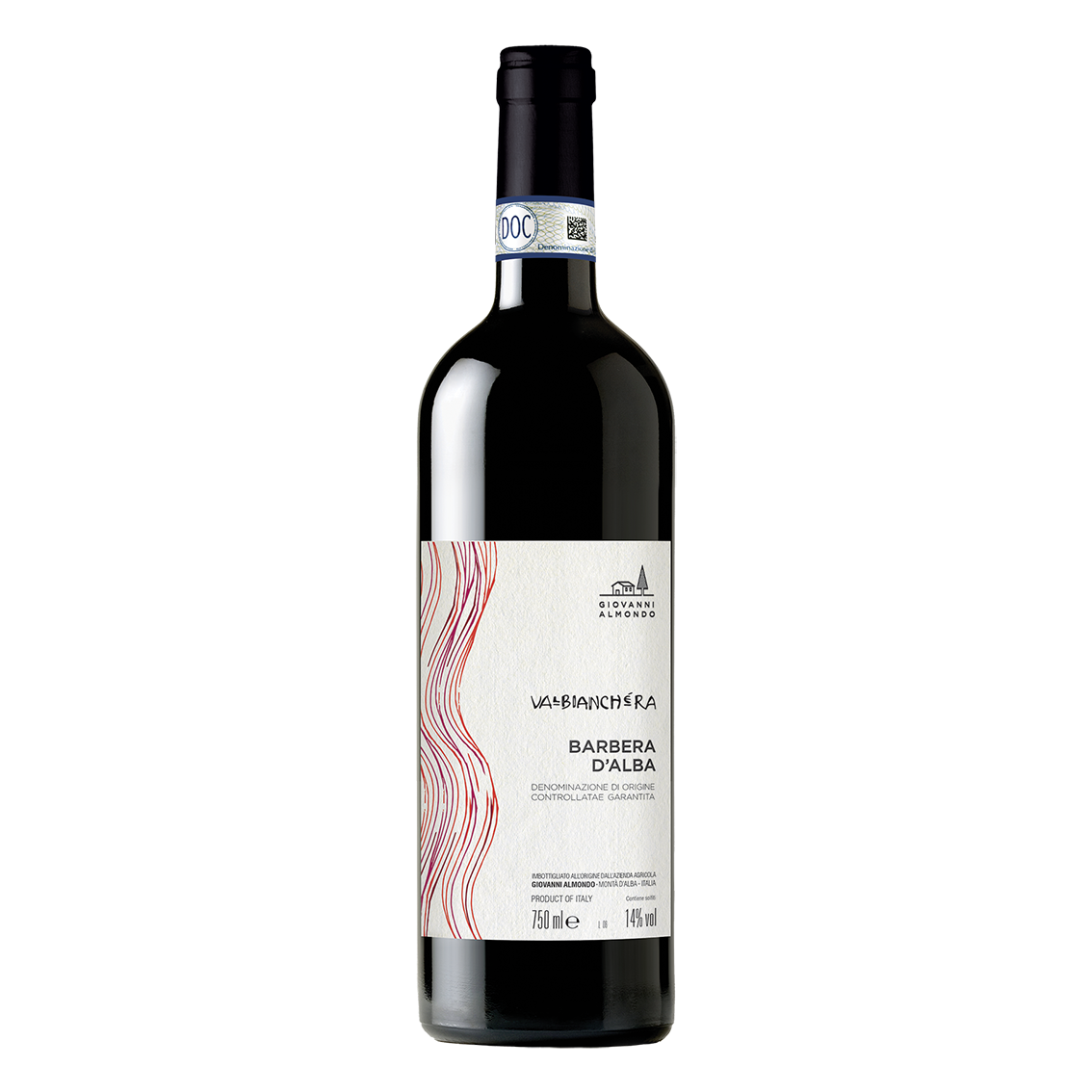
Bragat Rosa (Brachetto Del Roero)
Vineyard Area
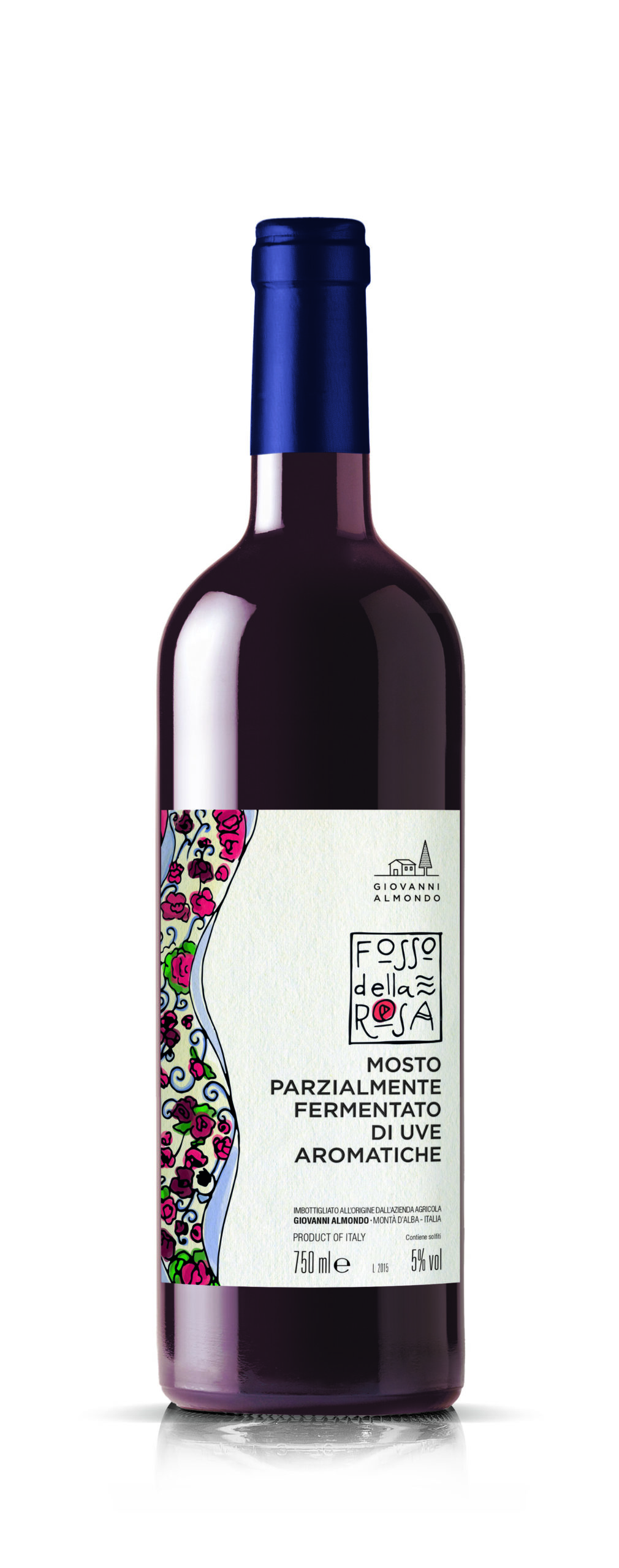
Fosso della Rosa is drawn from Bric Valdiana in Roero.
Soil
Sandy, calcareous (70% sand, 15% limestone, 15% clay)
Elevation
320 meters
Exposure
East
Vinification
Manual harvest and sort, de-stemmed before undergoing a 5-day maceration. Aged in stainless steel.
Marketing Materials:
Labels + -