Brunori
Verdicchio dei Castelli di Jesi, Rosso Conero, Rosso Piceno and Lacrima di Morro d'Alba
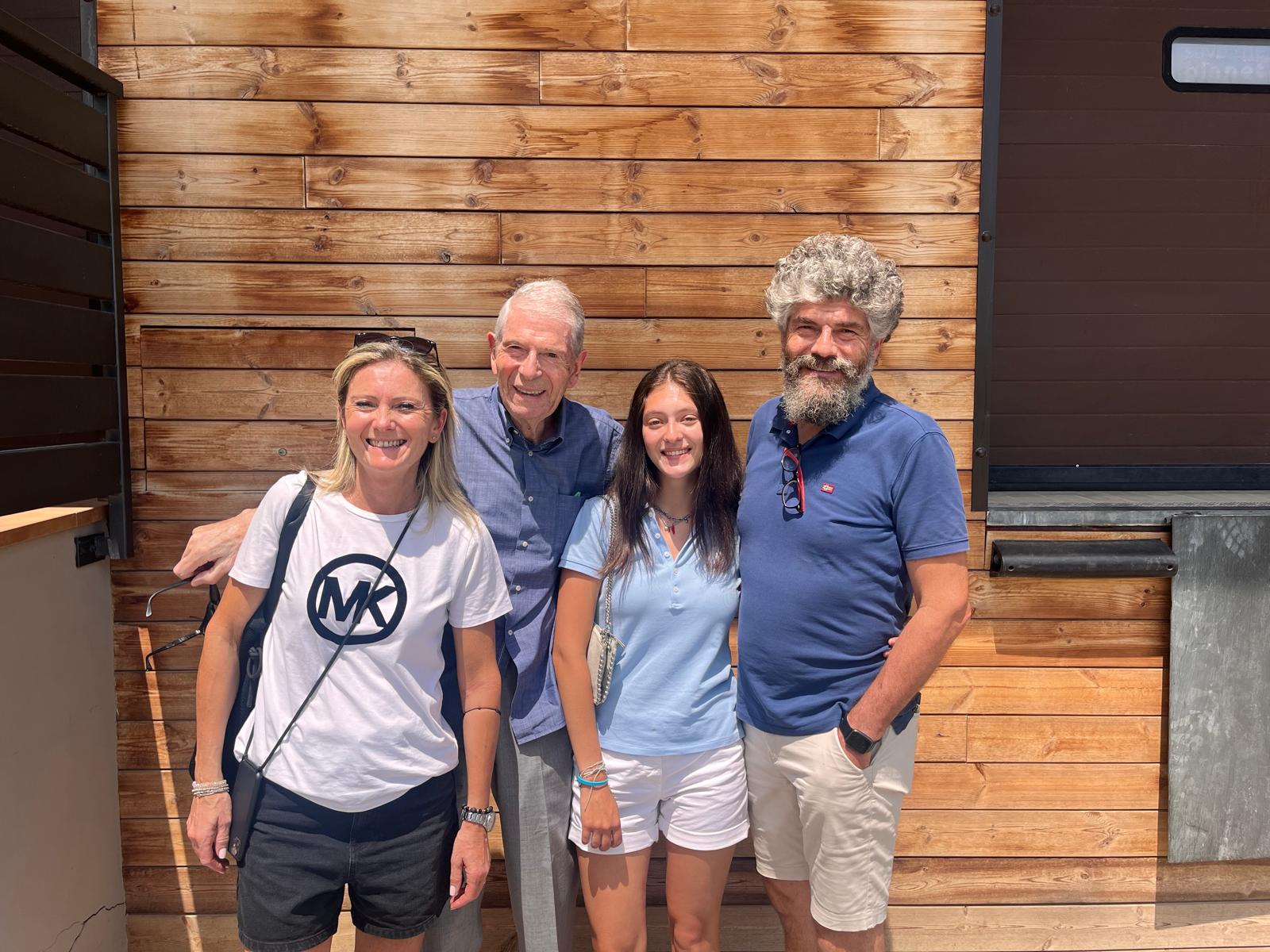
Carlo Brunori and Cristina Brunori
1956
6.5 hectares
Organic
The Tinkerer of Jesi
Mario Brunori knew that even a blessed terrain needed a clever tender.
Consider the Vespa. Mario Brunori did. The streamline styling. The step-through design. A wasp on two wheels and the Birth of the Italian Cool. Audrey Hepburn pinched Gregory Peck’s for a joyride in Roman Holiday and that was all she wrote: the iconic scooter passed a million sales in 1956—the very year Mario started bottling his own wine in Marche. So of course his son Giorgio would soon start toodling around on his very own.
Meanwhile Mario was trying to become one of the first farmers in the Esino Valley to vinify his own grapes, which meant that the long season of grafting and pruning and weeding and picking was suddenly just a prelude to a whole other stage of work: sorting and loading and crushing the fruit in a hand-cranked wooden press. Which was as onerous as it sounds. So Mario considered the Vespa: two-stroke engine, four-speed gearbox, eight horses’ worth of power at the touch of a button. It was all too perfect. And so it came to pass that the godfather of Marche’s Verdicchio dei Castelli di Jesi Classico zone plucked the motor out of the chassis, rigged it up to his wine press, and rejiggered the gears so that he could vary the pressing action in proportion to the quantity of grapes inside. A homespun system of pulleys rounded out the sui generis production system.
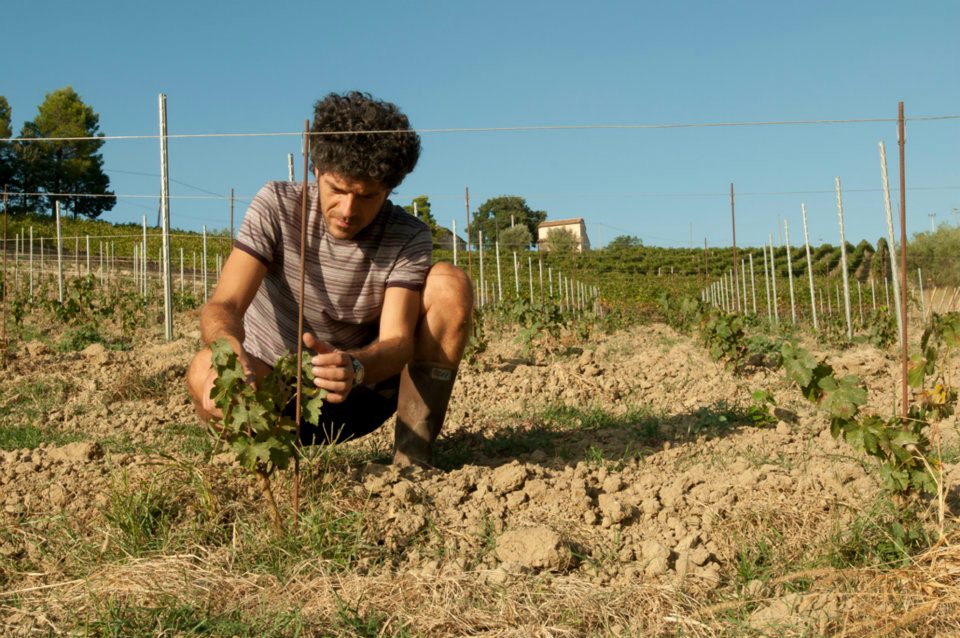
More than half a century later, standing on the rooftop terrace above the family cellar, Cristina Brunori can gaze down into the slanting folds where her grandfather nestled 6.5 hectares of vines in the sandy clay hills that tumble down from the Apennine mountains to the Adriatic sea. Ruffled by a coastal breeze that scrolls sharp-edged cloud shadows across the sunny south-facing slopes, the landscape is ever in motion. But for Cristina and her brother Carlo, who mans the vitrified concrete aging tanks below, what matters most is hidden from view.
For one thing there’s what literally lies beneath this esteemed parcel: a subterranean mineral salt-water stream that courses through the limestone-stippled earth, imprinting Brunori’s flagship whites with a riveting sea-shell salinity between their apple-crisp entry and bitter-almond finish. (Back in the day, folks used this water to boil their pasta in.)
But more important is the living memory of the man whose ingenuity started it all. With his 1975 launch of the site-specific San Nicolò cru, in Bordeaux-style bottles rather than traditional jugs, Mario Brunori won recognition as a pioneer in Marche artisanal winemaking. But his real legacy lies in the clever resourcefulness with which he repurposed that Vespa engine—and designed the 100-hectoliter concrete vessels in which the wine gently clarifies without filtration, and did so much else to realize the potential of the vineyards that his father had tended before him.
These days the Brunori family gets more power from their solar panels than that bygone Vespa motor, and the cellar features a pneumatic press and a few stainless-steel tanks alongside the glass-lined concrete ones that remain central to vinification. But there’s more continuity than change. Drying Adriatic breezes still sweep over the vineyards 200 meters above sea level. The vines bloom in mild temperatures, mature in hotter weather, and experience wide day-to-night swings before harvest that foster aromatic intensity. The estate produces soft, pretty, and subtly savory reds—from Sangiovese, Montepulciano, and the intensely floral indigenous Lacrima di Morro D’Alba varietal—but its Verdicchio cuvées are the undisputed jewel of this region.
In contrast to the nearby Matelica appellation, where Verdicchio often needs a few years in the bottle to smooth out its sharp edges, Castelli di Jesi produces a rounder, supple expression of the varietal. With low yields, small-lot production, and no wood contact, Brunori reveals the grape’s shape-shifting propensity. The nervy acidity of a thirst-quenching opening swells into a broad, middle-weight core that carries through to a characteristic almond-inflected finish. Aromatically, the operative word is “sometimes”; these wines evolve in the glass such that the apples and pears prominent in one moment swing sometimes toward citrus, sometimes toward melon, and sometimes surface surprises like a lifted top note of cultured butter that springs from extended lees contact. Especially in the San Nicolò cuvées—from a clayey, sandy zone where “it’s always sunny”—these wines are refreshing but in no way simplistic.
The philosophy, on the other hand, is as simple as it comes: Be attentive to the vines, gentle with the fruit, and don’t let distractions—oak-flavored or otherwise—get in the way. As Cristina says, “The wine we produce today has the same characteristics as the wine our grandfather produced.”
When your elders set a high bar, the challenge is to keep clearing it.
wines
Varietal/Blend
Verdicchio
Vineyard Area
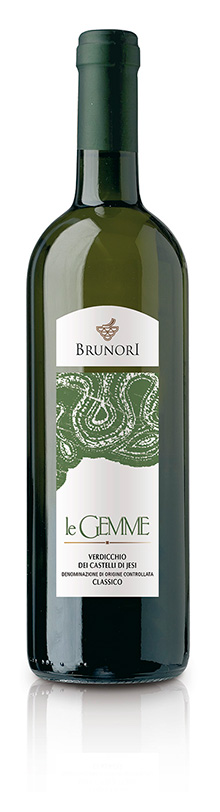
Le Gemme is the largest of the estate's two parcels in San Paolo di Jesi totaling 5 hectares.
Soil
Clay-sandy loam soils that are calcareous
Elevation
500-550 feet
Exposure
Southeast
Farming Practice
Organic
Vinification
Manually harvested and gently pressed followed by fermentation in temperature-controlled cement tanks
Maturation
Aged in glass-coated cement tanks
Marketing Materials:
Labels + -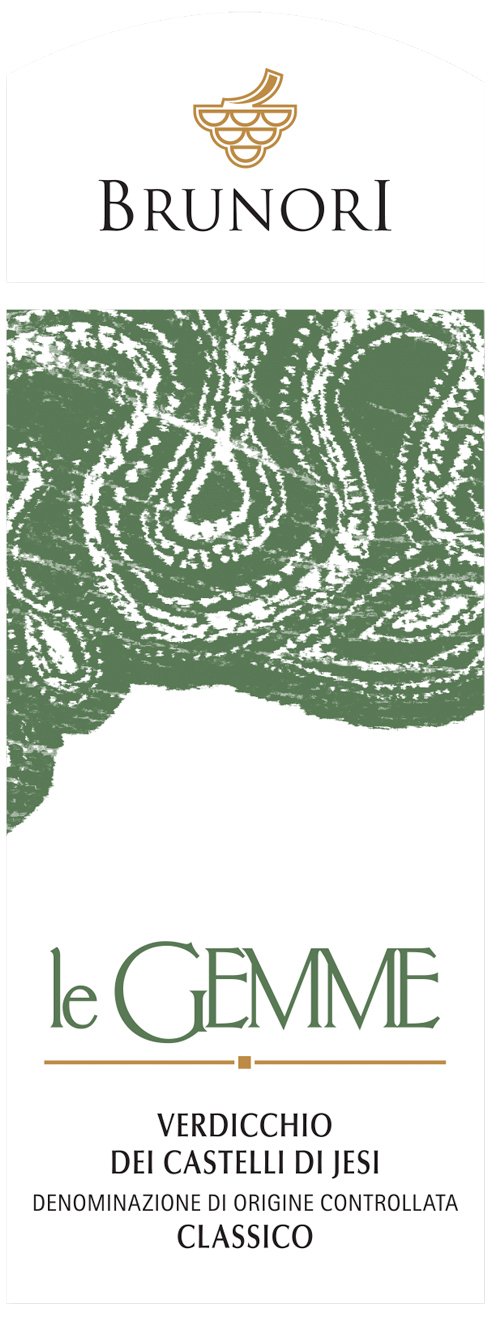
Varietal/Blend
Verdicchio
Vineyard Area
The vineyard of San Nicolò is just behind the winery in San Paolo di Jesi. The surface area is about 1.5 hectares and it was replanted in the 1990s.
Soil
Clay-sandy loam soils that are very calcareous
Elevation
500-550 feet
Exposure
South
Farming Practice
Organic
Vinification
Manually harvested and gently pressed followed by fermentation in temperature-controlled cement tank
Maturation
Aged in glass-coated cement tanks
Marketing Materials:
Labels + -
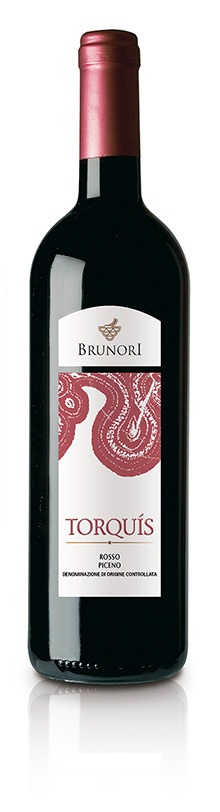
Varietal/Blend
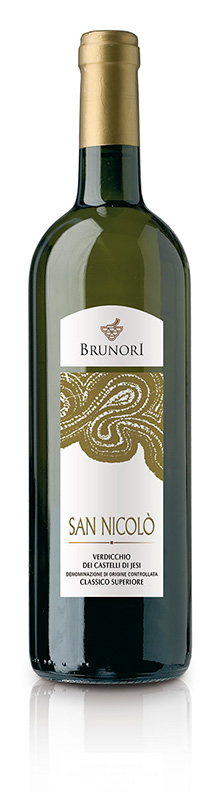
Sangiovese (70-75%) and Montepulciano (25-30%)
Vineyard Area
From a single site on the eastern Marche zone of Rosso Piceno called "Torquís", which means amphitheater" in local dialect (the shape of the vineyard).
Soil
Clay-sandy mixtures
Elevation
500-550 feet
Exposure
South-southeast
Vinification
Manually harvested and sorted followed by fermentation in temperature-controlled stainless steel tanks with a 6- to 7-day maceration period before being racked to glass-coated cement tanks for maturation.
Maturation
Six months in glass-coated cement tank
Marketing Materials:
Labels + -
Varietal/Blend
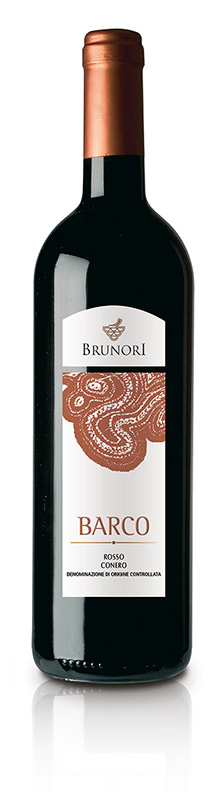
Montepulciano
Vineyard Area
From a parcel near the Adriatic coastal zone of the Marche called Rosso Conero.
Soil
Clay-sandy mixtures
Exposure
South-southeast
Vinification
Manually harvested and sorted, fermentation in temperature-controlled stainless steel tanks with a 7-day maceration period then moved to glass-coated cement tank
Maturation
Six months in 225-liter oak barrels
Marketing Materials:
Labels + -
Varietal/Blend
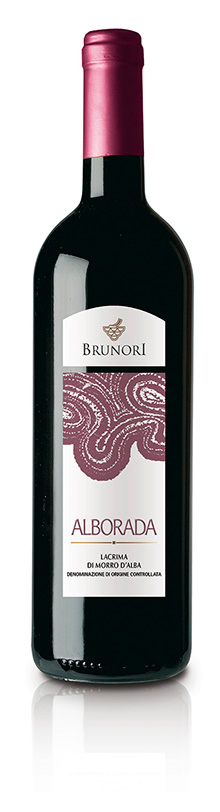
Lacrima
Vineyard Area
From a plots in Lacrima di Morro situated closer to the coast than the Verdicchio vines in Jesi.
Soil
Sandy clay mixtures rich in limestone and potassium
Vinification
Manually harvested and sorte followed by fermentation in temperature-controlled stainless steel tanks with a 4 to 5-day maceration.
Maturation
Aged in cement
Marketing Materials:
Labels + -